In a major push to promote tourism and highlight the rich natural and cultural heritage of the region, the Tourism Department, in collaboration with the District Administration Kathua and the Bani-Basohli Development Authority (BBDA), successfully organised the second edition of the Sarthal Winter Festival in the breathtaking Sarthal Valley of Bani Subdivision. Sarthal is the most beautiful tourist destination in the Bani subdivision of Kathua district, known for its snow-covered meadows, dense forests and breathtaking natural beauty. The festival was inaugurated by MLA Bani, Rameshwar Singh in the presence of a massive gathering, as thousands of tourists and locals thronged the snow-laden valley to witness and participate in the celebrations, turning Sarthal into a vibrant winter carnival. The event witnessed spellbinding performances by internationally acclaimed singer Sonali Dogra and renowned folk artist Bishan Dass, who mesmerised the audience with a powerful fusion of Dogri, Hindi and Punjabi folk music. Their energetic and soulful renditions created a festive atmosphere and left the crowd enthralled. Addressing the gathering, MLA Rameshwar Singh said that the Sarthal Winter Festival has been a long-standing aspiration of the people of Bani, as the region holds vast untapped tourism potential. He stated that Sarthal has the potential to become a major winter destination, comparable to Gulmarg, with scenic landscapes that rival the best in the country. The MLA appreciated the District Administration, Kathua and Bani Subdivisions, for ensuring seamless logistics and arrangements, and lauded the performances of Sonali Dogra, Bishan Dass, and local artists for adding colour, diversity, and vibrancy to the festival. Speaking on the occasion, Deputy Commissioner Kathua, Rajesh Sharma, described Sarthal as a unique and iconic destination that perfectly blends pristine natural beauty with the charm of snowfall, making it one of the most promising winter tourism destinations in Jammu and Kashmir. He said the Winter Festival aims to reconnect people with their cultural roots in nature while promoting sustainable tourism and creating livelihood opportunities for the local population. The Deputy Commissioner commended the coordinated efforts of all stakeholder departments and assured that the administration remains fully committed to organising more such events to firmly establish Sarthal Valley on the winter tourism map of the Union Territory. The festival also showcased vibrant cultural performances by local youth, providing them with a significant platform to showcase their talent. Stalls serving traditional Pahadi cuisine gave visitors an authentic taste of the region's culinary heritage, while various recreational activities amid snow-covered mountains further added to the festive charm. Among those present on the occasion were ADDC Surinder Mohan Sharma, CEO BBDA Babu Ram, CPO Ranjeet Thakur, Deputy Director Tourism Savita Chouhan, Deputy Director Tourism Mamta Sharma, SDM Bani Sandeep Kumar, Tehsildar Pradhyman Attri, Assistant Director Samba-Kathua Dr. Rajesh Raina, Assistant Director Jammu Vishal Sadotra, Accounts Officer Dr. Annie Jamwal, along with other senior officers and dignitaries. This story has been sourced from a third party syndicated feed, agencies. Mid-day accepts no responsibility or liability for its dependability, trustworthiness, reliability and data of the text. Mid-day management/mid-day.com reserves the sole right to alter, delete or remove (without notice) the content in its absolute discretion for any reason whatsoever.
09 February,2026 11:39 AM IST | Kathua (Jammu and Kashmir) | ANITourists are flocking to Nathatop, the popular hill resort located 10 kilometres ahead of Patnitop in Jammu, as the region received fresh snowfall. Many visitors reached Nathatop after visiting the Mata Vaishno Devi Shrine in Katra via Patnitop. At Nathatop, tourists were seen enjoying a range of winter activities, including dancing, playing in the snow, and ice-related adventures. Visitors also enjoyed local delicacies such as sweet corn, warmed themselves by fires, and took photographs of the snow-covered landscape. Meanwhile, tourism continues to be a major pillar of Jammu and Kashmir's economy, with the Union Territory recording 1.78 crore tourist visits in 2025, despite security-related incidents and natural calamities. Jammu and Kashmir Lieutenant Governor Manoj Sinha, earlier, said the sustained inflow reflects improved infrastructure, better connectivity, and focused policy interventions aimed at strengthening the sector. Addressing members of the Legislative Assembly on the opening day of the budget session, Sinha said tourism has been accorded industry status to attract investment and generate employment, marking a significant step toward formalising and expanding the sector. He added that the administration is working to promote year-round tourism by developing new attractions and diversifying offerings across regions. One such initiative is the opening of Bagh-e-Gul-e Dawood, Kashmir's first Chrysanthemum Garden, inaugurated for tourists in October 2025. With more than 50 varieties of flowers, the garden is expected to draw visitors during the autumn season, complementing the Tulip Garden that attracts tourists each spring. Beyond new infrastructure and destinations, the revival of traditional experiences continues to define Kashmir's tourism appeal. In Gulmarg, the iconic sledge ride remains one of the most popular winter attractions. The downhill ride on handcrafted wooden sledges, expertly guided by local men dressed in traditional winter attire, offers visitors an authentic thrill powered purely by gravity, snow, and skill - without any artificial machinery. The Lieutenant Governor said the administration has placed special emphasis on reviving pilgrim tourism in Jammu, promoting adventure tourism in Kashmir, and encouraging eco-tourism in tribal and border areas to ensure balanced regional growth. Confidence-building measures, improved tourist facilitation, and better coordination with stakeholders have helped maintain tourist flow even during challenging periods. A major boost to tourism and economic activity has come from railway connectivity to Kashmir, described by Sinha as a historic milestone. A full-fledged railway division has been sanctioned for Jammu and Kashmir, while expansion and modernisation work at the Jammu-Tawi railway station is underway. The government is also planning a major project focused on the sustainable development of emerging tourist destinations through public and private sector participation, aiming to create new tourism hubs while protecting the environment and generating local employment. This story has been sourced from a third party syndicated feed, agencies. Mid-day accepts no responsibility or liability for its dependability, trustworthiness, reliability and data of the text. Mid-day management/mid-day.com reserves the sole right to alter, delete or remove (without notice) the content in its absolute discretion for any reason whatsoever.
09 February,2026 11:12 AM IST | Jammu | ANIPlanning a move in Scotts Valley is easier when you understand a few local facts first. You need to think about timing, street access, and the right moving help. Scotts Valley is calm, green, and close to Santa Cruz, but its roads and homes bring their own moving needs. With early planning and trusted Movers Scotts Valley, you can keep stress low and stay on track. What makes Scotts Valley interesting is its mix of quiet living and nearby work areas. Many people move here for schools, nature, or shorter drives to nearby cities. Homes are often near trees, hills, and narrow streets. These details shape how a move should be planned and why local experience matters. Understanding Scotts Valley Streets and HomesScotts Valley has many winding roads and small neighborhoods. Some homes sit up hills or have long driveways. Others have limited parking. This can affect where a moving truck can stop and how far items must be carried. Before moving day, check street space near your home. In some areas, parking rules are strict. A local crew from Movers Scotts Valley will know which streets need extra planning and how to avoid delays. Picking the Right Time to MoveTiming plays a big role in how smooth your move will be. Spring and summer are the busiest months in Scotts Valley. Families often move during school breaks, which raises prices and limits availability. If possible, choose a weekday or a fall move. Winter is quieter, though rain can slow things down. Booking early gives you more choice and better planning. Packing for Local Weather and RoadsScotts Valley weather is mild, but fog and rain are common. Use strong boxes and seal items well. Protect furniture with covers, especially wood pieces.Label each box with its room and main items. Clear labels help movers work faster and reduce mistakes. Many 831 movers Scotts Valley offer packing help if you want to save time or avoid heavy work. Storage Options During a MoveSometimes move dates do not line up. You may need to leave one home before the next is ready. Storage can help in these cases.Ask movers about short-term storage near Scotts Valley. Keeping items close makes delivery easier and cuts down travel time. This is helpful for both local and longer moves. Apartment and Condo Moving RulesIf you are moving into or out of an apartment or condo, check the rules early. Many buildings limit moving hours or require advance notice. Some need proof of insurance from your movers. Share these rules with your moving company ahead of time. Clear details help the move stay quick and avoid issues with building staff or neighbors.Understanding Moving Costs in Scotts Valley Moving costs depend on several factors. These include distance, home size, stairs, hills, and how far items must be carried. Scotts Valley homes often have slopes or steps, which can affect pricing. Ask for a clear estimate and what it covers. Trusted Movers Scotts Valley explain pricing in plain language and avoid surprise charges. Always confirm the move date, time, and crew size. Choosing Local Movers You Can TrustLocal experience matters. Movers who work often in Scotts Valley know the traffic patterns, school zones, and best routes. This saves time on moving day.Look for licensed and insured movers with strong reviews. Ask how long they have worked in the area. Many 831 movers Scotts Valley have handled moves on narrow streets and hilltop homes. Moving on Your Own: What to ConsiderIf you plan to move without professional help, plan carefully. Reserve a truck early and choose the right size. Driving large trucks on hills takes care and practice.Get help from people who can lift safely. Clear paths before loading and take breaks when needed. Even small moves in Scotts Valley can take longer than expected. Tips for Families Moving to Scotts ValleyFamilies often move here for schools and the calm setting. Scotts Valley schools are small and community focused. Parks and trails are close by.Plan your move so kids have time to adjust before school starts. Unpack their rooms early to help them feel settled. A calm start makes a big difference. Planning a Move Out of Scotts ValleyIf you are leaving Scotts Valley, plan ahead as well. Give notice to landlords, set up mail forwarding, and stop local services on time.Check your home before leaving and clean key areas. This helps with deposits and final checks. Local movers can also help with long-distance planning. Preparing for Moving DayStart early on moving day. Clear hallways, stairs, and driveways. Keep pets safe and out of the way.Have water and snacks ready. Stay nearby to answer questions, but let the movers handle the heavy work. Skilled Movers Scotts Valley know how to load and protect your items. Settling In After the MoveUnpack key rooms first, such as the bedroom and kitchen. Check items for damage and report issues quickly.Take time to walk around your new area. Learn nearby streets, stores, and parks. Scotts Valley is easy to get used to, and comfort comes fast. Planning a move in Scotts Valley does not need to feel hard. With good timing, clear steps, and help from local 831 movers Scotts Valley, your move can stay organized and calm. A bit of planning now can save stress later and help you settle in with ease.
30 January,2026 10:30 AM IST | scotts | ANIPennsylvania's Keystone Crossroads region brings together three iconic destinations for an epic travel adventure into American history, culture, and food. Within a two-hour drive, groups can experience the unique flavours of Hershey’s famous chocolate, Lancaster’s renowned Amish life, and Gettysburg’s iconic Civil War battlegrounds. Located at a short distance from the city of Philadelphia, the charming Keystones are the perfect addition to your getaway. This 48-hour itinerary covers the top attractions of this scenic triangle, allowing visitors of all ages to indulge in local history and culture. Day 1 (Hershey and Harrisburg)1. Start your trip at The Hershey Story Museum to learn about Milton Hershey’s inspiring life and iconic business legacy. 2. The museum also offers sweet tasting experiences like the Chocolate Lab and Tastings: Warm Drinking Chocolates from Around the World. 3. Reserve your seat on a Hershey Trolley Works Historical Tour to see local landmarks that explore the town of Hershey and its history.4. Families with children will love creating their own candy bars and taking the free Chocolate Tour Ride at Hershey’s Chocolate World. 5. After a sweet morning, dive into history around Harrisburg. Start with a free guided tour of the PA State Capitol building. Continue on to the National Civil War Museum, one of the largest museums dedicated to the Civil War, and then to Fort Hunter Mansion for a glimpse into 18th century life along the Susquehanna River.6. Experience holiday spirit with a drive through Hershey Sweet Lights and a trip to Hersheypark Christmas Candylane for rides, entertainment, and holiday treats! 7. Ultimately, explore the area’s culinary offerings from chocolate Inspired food, desserts and drinks to fast food and fine dining as well as international options including 18 restaurants serving Indian food. Day 2 (Gettysburg and Lancaster)1. Drive about one hour to Gettysburg National Military Park & Visitor Centre to travel back in time, touring the battlefield, the Seminary Ridge Museum, and the Eisenhower National Historic Site, and uncover fascinating stories that shaped the country’s storied past.2. After visiting the historic sites of Gettysburg, head downtown where you will find a unique and charming assortment of shops, art galleries, cafes, restaurants, and more.3. A short drive beyond the battlegrounds, in the Gettysburg countryside, lies a beautiful landscape of farms, markets, covered bridges, and rolling hills of apple orchards. Visitors from around the world marvel at Gettysburg's renowned apple industry, the fifth largest in the USA, with more than 75 varieties of apples grown there.4. Next, head to Lancaster County, the first and largest settlement of the Amish in the USA, and learn more about their culture at The Amish Farm & House for a guided tour of surrounding farmland as well as a scenic, rustic, and cultural ride on the Amish country’s Strasburg Rail Road for a glimpse into the rural heritage and culture.5. Lancaster is known for pretzels, with options such as Julius Sturgis Pretzel Bakery and Hammond’s Hand-Made Pretzels serving some of the freshest baked goods.6. More local culinary surprises await at Kitchen Kettle Village’s Make-Your-Own Whoopie Pie experience, a sweet tradition that beautifully weaves the culture of Pennsylvania, Amish-style food at Shady Maple, Indian and Nepalese cuisine at Himalayan Curry & Grill, Diyo Fusion, and Tikka Shack.7. End the night with a holiday show at Sight & Sound Theatre, American Music Theatre, Fulton Theatre or Dutch Apple Dinner Theatre.
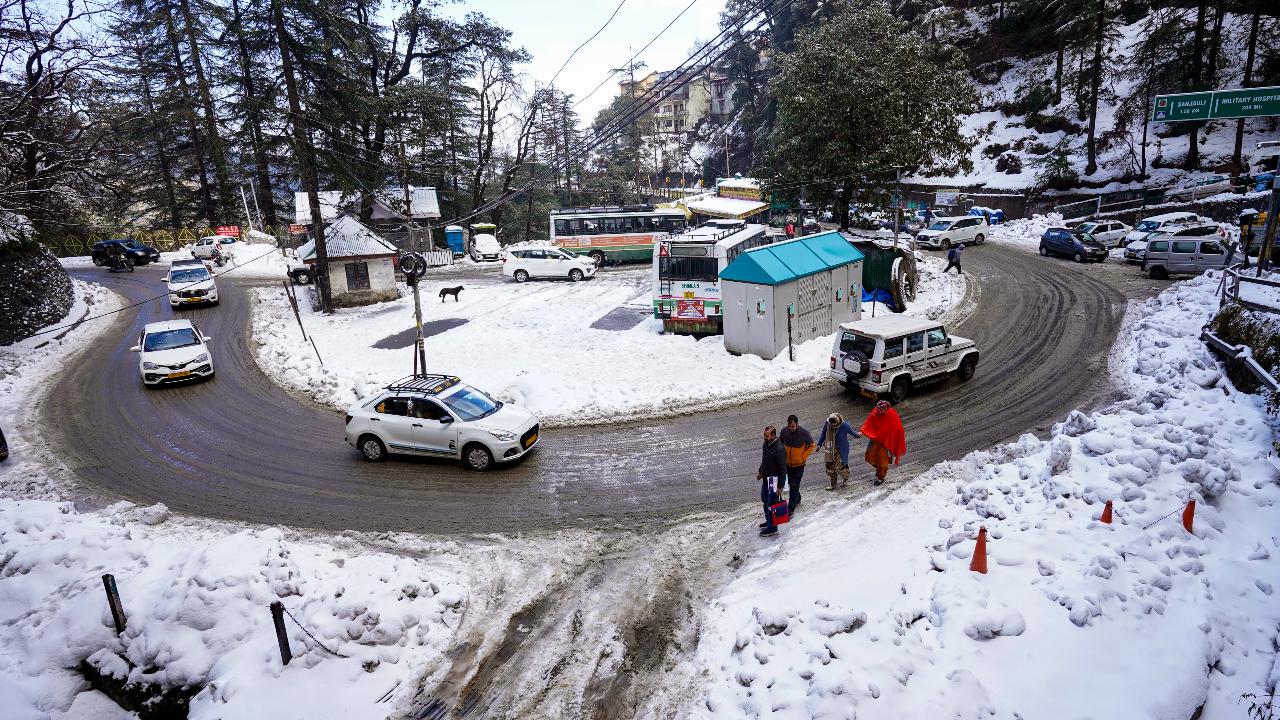
29 January,2026 05:02 PM IST | Pennsylvania (US) | mid-day online correspondentFollowing fresh snowfall in the higher reaches of Himachal Pradesh, tourist activity has picked up across several popular destinations, bringing cheer to visitors and renewed hope to the local travel industry. Areas such as Jakhoo, Kufri, Narkanda and upper Shimla witnessed fresh snow, delighting tourists arriving in the state capital. Tourists visiting Shimla were seen enjoying the picturesque views created by the fresh snowfall, describing the experience as memorable despite minor travel difficulties. Pulkit, a tourist from Delhi, speaking to ANI, said that he and his friends were enjoying the snowy weather. "We have come here from Delhi for a holiday. Yesterday also we enjoyed snowfall and last night it snowed again. Movement is a little difficult, but everything else is good. Yesterday we went to Kufri and the weather and snowfall there were excellent. We really enjoyed it," he said. Another tourist from Delhi, Monika, also shared her excitement over the snowfall while speaking to ANI. "We were staying in a hotel in Shimla and it snowed at night. We really enjoyed it. We also went to Kufri, where there was heavy snowfall and we had a great time. There are some minor issues, but nothing major. We are really enjoying ourselves here," she said. Meanwhile, people in the tourism sector have termed the snowfall as 'white gold', stating that it had arrived after a prolonged dry spell that had adversely affected business. With fresh snow, hotel bookings and tourist inflow have begun to increase. Naren Shahi, a local travel agent from Shimla, told ANI that the snowfall has provided a much-needed boost to the tourism industry. "There was a long dry spell, and because of that our tourism business was going through a slowdown. This fresh snowfall has given a boost. It has worked like a lifeline for the tourism industry. As western disturbances are expected to remain active and there is hope for more snowfall in the coming days, it will greatly benefit tourism," he said. He further added that multiple stakeholders are benefiting from the renewed tourist activity. "Hotels, travel agents, porters, horse operators, photographers and taxi drivers are all getting work. After this fresh snowfall, we are hoping for another spell as well. We appeal to tourists to visit in large numbers so that the tourism season lasts longer," Shahi said. With weather conditions turning favourable and expectations of more snowfall ahead, the tourism industry in Shimla is optimistic about an extended and profitable winter season. This story has been sourced from a third party syndicated feed, agencies. Mid-day accepts no responsibility or liability for its dependability, trustworthiness, reliability and data of the text. Mid-day management/mid-day.com reserves the sole right to alter, delete or remove (without notice) the content in its absolute discretion for any reason whatsoever.
29 January,2026 11:23 AM IST | Shimla | ANIIndians love travelling all over the world to explore different cultures and traditions, but a new accommodation search data report reveals Thailand and Malaysia as the most-preferred visa free international destinations among Indian travellers. Indonesia continues to lead among Visa On Arrival (VOA) markets. The data by digital travel platform Agoda reflects an uptick in interest compared to last year toward destinations across Asia that combine easy entry requirements with diverse leisure and cultural experiences. The platform analysed accommodation search data generated in India for visa‑free and VOA destinations, between January 1 to 18, for check‑in dates between February and March 2026. Among the combined top five destinations searched with visa free or VOA status, Thailand ranked first, followed by Indonesia, Malaysia, Sri Lanka, and the Maldives. Thailand (visa free) and Indonesia (VOA) remain firm favourites, offering diverse mix of beaches, culture, and adventure, while Malaysia (visa free) combines urban and natural experiences. Sri Lanka (VOA) recorded notable growth in accommodation searches, registering a 61 per cent increase compared to last year, supported by its proximity and diverse offerings. Maldives (visa free) continues to draw Indian travellers seeking premium island escapes and short haul luxury stays. Together, these destinations underscore how Indian travellers are choosing destinations that offer strong value and simplified entry. Beyond the top five, Philippines (visa free) ranked sixth and recorded 73 per cent year-on-year search growth, driven by interest from beach-loving and adventure-oriented travellers, with water sports remaining a key draw. While Nepal (visa free) ranked seventh. Kazakhstan (visa-free) ranked eighth and is seeing interest for its distinctive Central Asian landscapes, while Bhutan (visa-free) ranked ninth and attracts travellers drawn to wellness and cultural immersion. Laos (VOA) ranked tenth and recorded the strongest search growth among all top destinations with a 97 per cent increase, positioning itself as a culturally rich alternative within Southeast Asia, aided by simplified visa access and growing awareness among Indian travellers. Commenting on the trend, Gaurav Malik, country director, Indian Subcontinent & Indian Ocean Islands with the platform, said, “Indian travellers are becoming increasingly intentional about their travel choices, with ease of visa accessibility playing a decisive role. Agoda’s 2026 Travel Outlook Report also revealed that if visa restrictions were not a factor, 84 per cent of Indians would travel more frequently. 91 per cent said that they would be open to exploring new destinations, the highest among their Asian peers. Furthermore, the growing search interest in emerging destinations such as Laos and the Philippines, alongside esetablished favourites, reflect a growing appetite for diverse, culturally immersive yet hassle-free international travel.”
28 January,2026 04:55 PM IST | Mumbai | mid-day online correspondentThe Goa Food & Cultural Festival 2026 is all set to bring together the best of Goa’s culinary and cultural heritage in a three-day extravaganza this Republic Day weekend. The festival promises a unique experience where authentic cuisine, vibrant performances, and the spirit of Goa come alive under one roof. It will be held at Margao Cricket Club, Dr. Rajendra Prasad Stadium, from January 23 to 25, starting at 6:30 pm each evening. The festival will be inaugurated in the presence of Chief Minister Dr Pramod Sawant, along with Minister for Tourism, Rohan A. Khaunte, and Minister for PWD and Captain of Ports, Digambar Kamat; Chairman, Goa Tourism Development Corporation (GTDC), Kedar J. Naik along with Navelim Constituency MLA Ulhas Tuenkar. The cultural line-up for the festival includes traditional Goan dance performances by the Kanta Gaude Troupe on the opening day, followed by live performances by Anson, Chelsea & Jeliska Trio, Sonia Shirshat with her Band, and LYNX. The second day will feature performances by Red Square Band, ALTITUDE, Akshay Naik, Gautami Hede Bambolkar, Vibha Algundagi, Vishnu Shirodkar, and Samruddh Chodankar. The concluding day will showcase Talking Drums with Carlos and Team, Hema Sardesai & The Rising, Goan Magic Dance Troupe, and Alcatraaz. Speaking ahead of the festival, Khaunte said, “Goa’s food culture is a reflection of its people, its history, and its way of life. What makes Goa a culinary capital is the seamless blending of tradition with innovation, where local ingredients, age-old recipes, and contemporary expressions coexist. The Food & Cultural Festival 2026 celebrates this richness while creating meaningful platforms for local talent, traditional practitioners, and cultural custodians to come together.” Naik stated, “The Food & Cultural Festival 2026 has been curated to offer an immersive cultural experience that goes beyond celebration. By bringing cuisine, music, and traditional art forms together in a community-centric setting, the festival strengthens Goa’s cultural tourism narrative and reinforces the Department’s commitment to showcasing authentic, homegrown experiences.” Apart from music and dance, The festival also features a wide array of stalls showcasing Goan food, local crafts, traditional delicacies, and handmade products. These stalls provide a platform for local artisans and entrepreneurs to display their talent while offering visitors an opportunity to experience the authentic flavors and cultural richness of Goa. It is part of the Department of Tourism’s broader initiative to promote 'Goa Beyond Beaches', encouraging visitors to explore the state’s heritage sites, spiritual circuits, rural hinterlands, nature experiences, and community-led activities. Senior government officials who will be at the festival include Chief Secretary, Dr. V. Candavelou, IAS; Secretary (Tourism), Shri Sanjeev Ahuja, IAS ; Director of Tourism, Shri Kedar Naik, and Managing Director, GTDC, Shri Kuldeep Arolkar.
23 January,2026 02:29 PM IST | Margao | mid-day online correspondentThere’s no better way to welcome the New Year than by embarking on a journey of wellness and self-care in Santa Monica in the United States of America. While there are many other different cities you can explore, there is a lot you can do here. Travellers can easily explore the trendsetting beachfront destination that offers the perfect environment for a getaway grounded in good living, creativity, and self-discovery. Energise and exercise Kick off the morning bright and early with moments of reflection, time for planning and study, and an invigorating movement session at one of Santa Monica’s many active experiences. Travellers will enjoy outdoor beach adventures like getting in the flow with Beach Yoga SoCal, catching Pacific waves with lessons at Aqua Surf School, spinning on the sand with The Sun Cycle or serving up some competition on one of the city’s 74 public beach volleyball courts. Visitors can also take things indoors and enjoy Santa Monica’s beautiful fitness studios. Recommended by Goop and attended by Gwyneth Paltrow herself, The Class offers unique music-driven cardio and strength-based classes in a stunning studio environment. Santa Monica’s celeb-favourite fitness methods continue with Pvolve, a studio in the Main Street neighbourhood celebrated by Jennifer Aniston for its transformative workouts and one-of-a-kind equipment. Meanwhile, Good Body Pilates is a beloved boutique studio inviting visitors to join resident regulars on the reformer for group classes or book a private session for a customised experience. For those looking to build their own tailored routine, Santa Monica is an ideal destination for outdoor fitness at every intensity level. With over 100 miles of protected bike lanes across the city, Santa Monica is home to a thriving cycling culture. In addition to bike rental shops like Perry’s Café & Beach Rentals and Santa Monica Bike Center, several hotels, such as Shore Hotel, Santa Monica Proper Hotel, The Pierside Hotel and Fairmont Miramar Hotel & Bungalows, offer their guests bicycle rentals at little to no cost. Both cyclists and runners will enjoy a scenic trip along the 22-mile Marvin Braude Bike Trail, taking in the beautiful ocean views while making progress toward fitness goals. For further inspiration, visit the Original Muscle Beach, a key player in the physical fitness movement. Healthy eating in Santa Monica With a popular farmers market scene and several restaurants prioritising dishes that are both delicious and nutritious, options abound for health-conscious diners in Santa Monica. Santa Monica is home to four weekly farmers' markets abundant in colourful produce and fresh, locally sourced ingredients. Each market offers its own character and unique offerings, setting up shop in city blocks across the destination each week. The largest of the four markets is the Downtown Farmers Market, each Wednesday, welcoming locals and visitors to shop for the freshest produce alongside celebrated Santa Monica chefs shopping for the highest quality ingredients to serve up in their restaurants. This organic-certified market also operates on Saturdays, perfect for a leisurely weekend morning in the Downtown neighbourhood. Travellers will also enjoy the Pico Farmers Market, filled with both local produce and delicious prepared food for a family-friendly morning at Virginia Avenue Park each Saturday, as well as the Main Street Farmers Market on Sundays, offering artisanal goods and vibrant flowers alongside fresh produce options complete with live music and a picnic on the lawn at the California Heritage Museum. Diners looking to prioritise healthy eating habits in the new year will find mouthwatering options across the city. The Santa Monica community’s healthy coastal lifestyle is reflected in its dining options, with delicious vegan favourites like B&T’s Deli, Health Nut and more. California cuisine thrives as well, with healthy fare at Rabano, Kreation Kafe & Juicery and The Curious Palate serving fresh, vibrant dishes emulating the city’s breezy coastal environment. Pick up your next passion project As we welcome 2026, it is the perfect time to learn a new creative skill or find a favourite new hobby. Travellers are invited to make lasting memories with fulfilling artistic and athletic experiences in Santa Monica. Perched at the top of Santa Monica Place, The Gourmandise School invites visitors to sharpen their skills in the kitchen with the guidance of expert chefs. Santa Monica is a true hub for the arts in Southern California, home to over 55 museums, galleries and performance venues. Located in the Mid-City neighbourhood, PAINT: LAB invites travellers of all ages to join workshops in drawing, watercolour, acrylic and more to learn new techniques and create their own beautiful memento of their time in Santa Monica. Meanwhile, guests of Sandbourne Santa Monica will enjoy complimentary ceramics classes each Saturday morning led by a local artist. Visitors are welcome to pick up a paddle and enjoy the latest sports craze at Pickle Pop. Located on the world-famous Third Street Promenade, Pickle Pop invites travellers to step on the court for an open play session or sign up for a clinic to learn the basics of pickleball and bring home the perfect souvenir—a new sports skill! Santa Monica has visitors covered for all types of athletic goals in 2026, carrying a diverse range of sporting goods at Downtown shops, including Nike, Wilson, Beyond Yoga, Patagonia, Lululemon, Adidas, JD Sports and more to gear up for the year ahead. Relax and rejuvenate As we enter the new year, it is essential to take time to slow down, reflect and recharge to be your best self in 2026. From spa treatments to meditation, Santa Monica offers a host of rejuvenating ways to care for both body and soul. Several Santa Monica hotels welcome both hotel guests and the public to enjoy luxurious spa treatments and amenities. The stunning new Regent Santa Monica Beach beckons travellers with the tranquil Guerlain Wellness Spa offering 10,000 square feet of treatment facilities and wellness spaces. Visitors will enjoy custom services including massages, facials and body treatments developed by renowned French institution Guerlain exclusively for Regent Santa Monica Beach. Meanwhile, the serene Santa Monica Proper Hotel presents the ultimate in relaxation with contrast and red light therapy in their Recovery Suite, as well as Ayurvedic treatments at the internationally acclaimed and celeb-favourite Surya Spa on the property. For the ultimate in California coastal wellness, visit Shutters on the Beach’s ONE Spa and Hotel Casa del Mar’s Sea Wellness Spa for spaces and services reflective of their location, just steps from the Pacific waters. For a highly personalised wellness experience, Mystic Journey in the Main Street neighbourhood offers an inspiring guided look into metaphysical healing and insights. Mystic Journey provides tarot readings, energy healing, dream interpretation and more, as well as assistance in selecting crystals and gemstones for healing and meditation. Whether travellers are new to the world of sound baths or practice meditative exercises daily, Calming Spot offers unique classes suited to many different needs, from guided breathwork to chakra alignment. Their Santa Monica beach location provides an enhanced sound bath experience surrounded by the gentle waves and fresh breezes, while candlelight sessions offer a soothing ambience and healing vibrations.
19 January,2026 02:33 PM IST | Santa Monica (USA) | mid-day online correspondentTravelling the world is extremely exciting and if you are travelling to the United States of America, it is among the top destinations in the world. However, there is a world beyond New York, if you want to dive into its history and culture, and Missouri is one of the many destinations that locals may know well, but is under-explored.It is also why the next time you're in the country, you need to let nostalgia and the open road set the tone as Route 66 takes you through Missouri. Known as the Mother Road, the iconic highway was established in 1926 and originally ran from Chicago to Santa Monica, covering nearly 2,500 miles. It is a symbol of American freedom and road-trip culture, connecting small towns, historic landmarks, classic diners, motels, and quirky roadside attractions. In Missouri, discover Americana like a local. From St. Louis landmarks and classic comfort food to roadside oddities, small-town murals, vintage motels, milkshakes, and drive-in movies, this stretch of the Mother Road in Missouri is proof that Route 66 isn’t just a drive; it’s a mood. St. Louis Start your adventure in St. Louis, a vibrant city rich in history and culture, with the second-most free attractions and museums in the USA, after Washington, D.C. From the airport, head to the historic Old Chain of Rocks Bridge, once a major landmark for travellers along Route 66. Take a scenic stroll across the pedestrian bridge for views of the Mississippi River, then head downtown to the Gateway Arch National Park. This symbolic structure marks the entrance to the USA’s Western frontier; today, you can ride a tram up 190 meters for panoramic views of the city from the top of the arch. Next, visit the beautiful Forest Park neighbourhood to explore the Missouri History Museum and take a walk through the nearby Missouri Botanical Garden. Do not miss a visit to the Maplewood neighbourhood – a collection of sidewalk plaques in its historic downtown pays homage to the town’s history as a main thoroughfare during Route 66’s heyday. Get another dose of nostalgia at the National Museum of Transportation, home to the world’s largest collection of railroad artifacts. Dig into classic American fare at Big Chief Roadhouse and savour genuine St. Louis barbecue at Salt + Smoke. For dessert, treat yourself at Ted Drewes Frozen Custard, where the thick, delectable frozen dessert known as the concrete was invented. Crown Candy Kitchen invites you to step back in time and order something from their retro-style soda fountain. After a day exploring, unwind in luxury at The Royal Sonesta Chase Park Plaza, a historic hotel that has hosted Route 66 travellers and celebrities alike. Cuba Hit the road heading southwest and discover a blend of natural beauty and quirky attractions. Make a pit stop at Route 66 State Park and see exhibits chronicling the history of Route 66 at the visitor centre. Then hop back in the car and drive southwest to Meramec Caverns. Learn more about the geology and history of these limestone caves on a guided tour – legend has it they were once a hideout for the infamous outlaw Jesse James. Make your way to Cuba and refuel with a delicious lunch at Missouri Hick Bar-B-Que. Be sure to snap photos at the oldest continuously operating motel on Route 66, the Wagon Wheel Motel, which neighbours Missouri Hick. Continue on the highway and pay a visit to the Fanning 66 Outpost & Feedstore. You’ll spot the Route 66 Rocker, a whimsical 12-meter-tall structure that was once the world’s largest rocking chair. Inside, shop for souvenirs and snacks. You’ll find fudge made from scratch and over 300 flavours of popcorn! Pulaski County and Lebanon Continue your journey through Pulaski County, where you will pass through Hooker Cut, an original stretch of Route 66 carved into a rocky hillside, and the Devil’s Elbow bridge, the only curved approach bridge still in use on the Mother Road, which offers some of its most beautiful views. Satisfy your sweet tooth by sampling treats at Uranus Fudge Factory before continuing toward Lebanon, your next stop. Spend some time viewing the exhibits at the Route 66 Museum inside the Lebanon-Laclede County Library. Then, visit Boswell Park to view murals honouring the town’s heritage and see the historic Camp Joy Cabin, part of the area’s first tourist camp. Make your way to Springfield for the night. The retro-themed rooms at the Best Western Route 66 Rail Haven make it a perfect choice for your Americana adventure. Springfield Get an early start; there is a treasure trove of Route 66 history and attractions to discover in Springfield. Start your day at the Route 66 Springfield Visitor Center before touring the History Museum on the Square, where eight galleries feature interactive exhibits exploring Springfield's Wild West past and its significance as the Birthplace of Route 66. Head just down the street to the Route 66 Car Museum, whose remarkable collection of historic cars spans a century of auto history and includes several vehicles from iconic Hollywood films. Springfield Wonders of Wildlife, located adjacent to Bass Pro Shops National Headquarters, is a 350,000-square-foot experience that celebrates people who hunt, fish, and act as stewards of the land and water, making it another must-visit. When it is time for lunch or dinner, indulge in a classic burger and a milkshake at Route 66 Steak ‘n Shake, which has been operating in its original location on St. Louis Street since the 1960s. Once you have filled up on historical facts and sweet treats, tuck in for the night at the Best Western Route 66 Rail Haven. Carthage and Joplin Grab breakfast at the College Street Café in Springfield before hitting the road for the final leg of your adventure. On your way west, stop at Gary’s Gay Parita, a 1930s-era service station where you can shop for souvenirs and snap photos with nostalgic memorabilia. Once you arrive in Carthage, you will find plenty to do: Savour a hamburger at Whisler’s Drive-Up and explore Red Oak II, an outdoor art installation of retro-style buildings by late Missouri artist Lowell Davis. Make a pit stop at the historic Boots Court Motel & Visitors Center to visit with the locals before enjoying more art and architecture on a Downtown Historic District Walking Tour. Continue onto Joplin, a travel hub that boasts a multi-faceted heritage. Admire a larger-than-life collection of themed murals at Route 66 Mural Park, then head just down Main Street to enjoy a bite at family-casual Red Onion Café. For the evening, drive back to Carthage to experience a truly unforgettable night of entertainment – seeing a movie right from your car at the 66 Drive-In Theatre, the perfect end to this epic road trip.
19 January,2026 01:30 PM IST | Missouri (USA) | mid-day online correspondentThere are some travel moments that stay with you long after the trip ends, a view, a scent, a small ritual that feels entirely your own, and with the growing interest in Japan over the years, and tourists are attracted to Tokyo without a doubt. The Tokyo Skytree, the city’s soaring 634 metre landmark, that moment arrives in the form of a simple postcard but this postcard isn’t scribbled in a café or inside a train station; it’s written high above Tokyo’s swirling geometry of neighbourhoods, waterways, and neon-lit grids. At 345 metres, on the Tembo Deck, sits a bright red post box shaped like the tower itself, a tiny slice of nostalgia suspended in the sky. Visitors can buy original Skytree postcards and stamps, write a message in the quiet hum of the observation deck, and drop it into the post box. It’s a gesture that blends whimsy with wonder, and it is, undeniably, one of Tokyo’s most charmingly unexpected experiences. The journey begins the moment you step into the high-speed elevator, its panelled interiors glowing softly as it races upward. In a matter of seconds, Tokyo unfolds below, a dense tapestry of temples, parks, expressways, and tightly woven lanes that stretch all the way to the mountains on a clear day. If luck favours you, even Mt. Fuji appears at the horizon, a quiet silhouette against the sprawling metropolis. It’s this panoramic stage that sets the tone for the postcard ritual: you find a corner, pick a postcard that captures your favourite version of Tokyo Skytree, choose a stamp featuring its signature motif, and scribble your mind; a wish, a memory, a message for someone waiting back home. For families travelling with children, this is especially magical. Watching a child trying to spot familiar city icons from hundreds of metres up, is a pure joy in itself. The act of writing and posting a card from “so high in the sky” feels like an adventure. It’s an easy, memorable outing that doesn’t feel rushed or overwhelming. Kids also enjoy the skywalk-like Tembo Galleria at 450 metres, where the spiralling glass passage almost makes you feel as though you’re walking among clouds. But Tokyo Skytree is more than just a viewpoint with a postcard novelty. The Tembo Deck itself is a gentle blend of floor-to-ceiling windows, angled viewpoints, and photo zones that allow you to drink in the city’s contrasts. Visitors linger longer than they expect, often waiting to watch the city shift from day to dusk to a blanket of glittering lights. The postcard-writing feels especially poetic at sunset, when Tokyo blushes gold, and the sky turns the softest shade of lavender. A visit typically begins on the fourth floor of Skytree Town, the lively complex that surrounds the tower. After collecting your pre-booked ticket, which is always advisable, as reservations offer better prices and save time, you ascend to the Tembo Deck. Tickets for the 350-metre deck begin at around Yen 2,100 for adults on weekdays when booked online, and the combo ticket for the 350-metre deck plus the 450-metre Tembo Galleria begins around Yen 3,100. Discounts are available for children, teens, and sometimes families; toddlers may even enter for free, depending on the choice of plan. It is best to check their website for all these costs, as they may vary from season to season. From the deck, you can wander across three levels before visiting the Skytree Shop, where you’ll find the postcards and stamp essential to the experience. When you finally slip your postcard into the red box, perhaps after a moment of hesitation, perhaps after rereading your message once more, you become part of a quiet tradition. Every postcard mailed from this deck carries a special Skytree postmark, a stamp that becomes a keepsake in itself. It’s a reminder of the height, the view, the moment of calm above one of the busiest cities in the world. And for the person who receives it, the postcard becomes a tangible piece of Tokyo, infused not just with your handwriting but with the altitude, the memory, and the city’s sky. Once you’re back on the ground, Skytree Town offers plenty more to explore, from restaurants serving Japanese comfort food to shops selling Skytree-themed souvenirs. The nearby Sumida Aquarium and Postal Museum, and more. Tokyo Skytree offers experiences that are heartfelt, elevated and uniquely yours. There are some travel moments that stay with you long after the trip ends, a view, a scent, a small ritual that feels entirely your own. At Tokyo Skytree, the city’s soaring 634 metre landmark, that moment arrives in the form of a simple postcard. But this postcard isn’t scribbled in a café or inside a train station; it’s written high above Tokyo’s swirling geometry of neighbourhoods, waterways, and neon-lit grids. At 345 metres, on the Tembo Deck, sits a bright red post box shaped like the tower itself, a tiny slice of nostalgia suspended in the sky. Visitors can buy original Skytree postcards and stamps, write a message in the quiet hum of the observation deck, and drop it into the post box. It’s a gesture that blends whimsy with wonder, and it is, undeniably, one of Tokyo’s most charmingly unexpected experiences. The journey begins the moment you step into the high-speed elevator, its panelled interiors glowing softly as it races upward. In a matter of seconds, Tokyo unfolds below, a dense tapestry of temples, parks, expressways, and tightly woven lanes that stretch all the way to the mountains on a clear day. If luck favours you, even Mt. Fuji appears at the horizon, a quiet silhouette against the sprawling metropolis. It’s this panoramic stage that sets the tone for the postcard ritual: you find a corner, pick a postcard that captures your favourite version of Tokyo Skytree, choose a stamp featuring its signature motif, and scribble your mind; a wish, a memory, a message for someone waiting back home. For families travelling with children, this is especially magical. Watching a child trying to spot familiar city icons from hundreds of metres up, is a pure joy in itself. The act of writing and posting a card from “so high in the sky” feels like an adventure. It’s an easy, memorable outing that doesn’t feel rushed or overwhelming. Kids also enjoy the skywalk-like Tembo Galleria at 450 metres, where the spiralling glass passage almost makes you feel as though you’re walking among clouds. But Tokyo Skytree is more than just a viewpoint with a postcard novelty. The Tembo Deck itself is a gentle blend of floor-to-ceiling windows, angled viewpoints, and photo zones that allow you to drink in the city’s contrasts. Visitors linger longer than they expect, often waiting to watch the city shift from day to dusk to a blanket of glittering lights. The postcard-writing feels especially poetic at sunset, when Tokyo blushes gold, and the sky turns the softest shade of lavender. A visit typically begins on the fourth floor of Skytree Town, the lively complex that surrounds the tower. After collecting your pre-booked ticket, which is always advisable, as reservations offer better prices and save time, you ascend to the Tembo Deck. Tickets for the 350-metre deck begin at around ¥2,100 for adults on weekdays when booked online, and the combo ticket for the 350-metre deck plus the 450-metre Tembo Galleria begins around ¥3,100. Discounts are available for children, teens, and sometimes families; toddlers may even enter for free, depending on the choice of plan. It is best to check their website for all these costs, as they may vary from season to season. From the deck, you can wander across three levels before visiting the Skytree Shop, where you’ll find the postcards and stamps essential to the experience. When you finally slip your postcard into the red box, perhaps after a moment of hesitation, perhaps after rereading your message once more, you become part of a quiet tradition. Every postcard mailed from this deck carries a special Skytree postmark, a stamp that becomes a keepsake in itself. It’s a reminder of the height, the view, the moment of calm above one of the busiest cities in the world. And for the person who receives it, the postcard becomes a tangible piece of Tokyo, infused not just with your handwriting but with the altitude, the memory, and the city’s sky. Once you’re back on the ground, Skytree Town offers plenty more to explore, from restaurants serving Japanese comfort food to shops selling Skytree-themed souvenirs. The nearby Sumida Aquarium and Postal Museum, and more. Tokyo Skytree offers experiences that are heartfelt, elevated and uniquely yours.
19 January,2026 12:14 PM IST | Mumbai | mid-day online correspondentGoa Carnaval 2026, one of the state’s most iconic cultural celebrations that embodies joy, colour, music, and togetherness, is set to take place from February 13 this year. Celebrated with great enthusiasm by locals and visitors alike, Carnaval continues to be a symbol of Goa’s rich cultural heritage and festive spirit. The festivities will commence with the traditional curtain raiser on February 13 at Porvorim, with the parade route planned from IHM to ACDIL School. The celebrations will then move to Panjim with the flag off on 14th February 2026 (Saturday), where the Carnaval parade will be held along the route from the New Patto Bridge to Campal Ground. On 15th February 2026 (Sunday), the vibrant celebrations will take place in Margao, with the parade moving from Holy Spirit Church to the Margao Municipal Council Square. On February 16, Monday, Carnaval will be celebrated in Vasco da Gama, with the parade proceeding from St. Andrew’s Junction (Swatantra Path) to Joshi Chowk/Railway Station. The festivities will culminate on February 17 (Tuesday) with celebrations at Mapusa and Morjim. In Mapusa, the parade will proceed from the Comunidade building behind Milagres Church to the festival venue at the Comunidade ground near Dev Bodgeshwar Temple, while in Morjim, the parade route will be from Morjim Khind to Morjim Junction near Raj Super Market. Speaking on the occasion, Minister for Tourism, Rohan A. Khaunte, said, “Goa Carnaval is a celebration of joy, inclusivity, and cultural pride. By taking the festivities across multiple locations, we aim to ensure greater community participation while offering visitors an authentic and memorable Goan experience. Carnaval 2026 will continue to reflect our vision of responsible and regenerative tourism, celebrating our traditions while caring for our people and environment.” Director of Tourism, Shri Kedar Naik, added, “Carnaval is one of Goa’s most vibrant cultural expressions, and Goa Carnaval 2026 has been planned to ensure wider reach, safety, cleanliness, and a high-quality festive experience. Through coordinated celebrations across the state, we aim to present a joyful, well-managed, and culturally rich Carnaval for residents and tourists alike.” Each venue will witness colourful float parades, lively performances, music, dance, and an atmosphere of collective celebration that defines the essence of Goa’s Carnaval. The event brings together communities, artists, performers, and visitors, offering a unique cultural experience that showcases Goa beyond its beaches.
16 January,2026 04:48 PM IST | Panaji | mid-day online correspondentADVERTISEMENT