Doctors in Mumbai have successfully treated a young ex-airhostess suffering from palmar hyperhidrosis, a medical condition characterised by excessive sweating of the hands, through Bilateral Thoracoscopic Sympathectomy (VATS)—a safe, minimally invasive, day-care surgical procedure with immediate results. Hyperhidrosis is estimated to affect 2–5 per cent of the population in India, yet remains significantly underreported, as many individuals do not recognise it as a medical condition and continue to suffer silently. The disorder can severely impact daily functioning, emotional well-being, and professional life if left untreated. The patient had been experiencing symptoms since adolescence and had sought multiple medical opinions over the years with no lasting relief. The condition eventually forced her to step away from her profession and affected her mental health and self-confidence. The patient underwent Bilateral Thoracoscopic Sympathectomy (VATS), performed by Dr. Vimesh Rajput, consultant – Thoracic Surgery at Jaslok Hospital & Research Centre. Anaesthesia was expertly managed by Dr. Savi Kapila, Consultant – Anaesthesiology, a one-hour surgical procedure that interrupts the sympathetic nerves responsible for excessive sweating of the hands. “Hyperhidrosis is not a minor inconvenience—it is a disabling medical condition that can push patients into social isolation, anxiety, and even depression,” said Dr. Vimesh Rajput, Thoracic Surgeon at Jaslok Hospital. “What makes the situation unfortunate is that a definitive, safe solution exists, yet awareness remains extremely low.” Emphasising the effectiveness of the procedure, he added, “This is a minimally invasive, day-care surgery. Patients walk in with a problem that has affected them for years and walk out the same day with immediate relief. The results are predictable, lasting, and often life-changing.” Dr. Rajput also highlighted the importance of early consultation and intervention, “Many patients dismiss excessive sweating as something they must live with. Over time, it impacts confidence, social interactions, and mental health. Early diagnosis and timely surgical treatment can completely restore dignity and quality of life.” Post-procedure, the patient experienced instant and complete resolution of symptoms, allowing her to resume normal daily activities without fear, embarrassment, or discomfort. Speaking about the case Dr Milind Khadke, Chief Medical Officer at hospital said “Correct diagnosis of hyperhidrosis is vital. With minimally invasive, short-stay procedures like VATS sympathectomy, patients can achieve immediate relief and restored confidence. Greater awareness is needed so individuals recognise this condition as treatable and seek timely medical intervention. Jaslok Hospital’s clinical excellence ensures comprehensive management of all kinds of diseases with world-class care.”
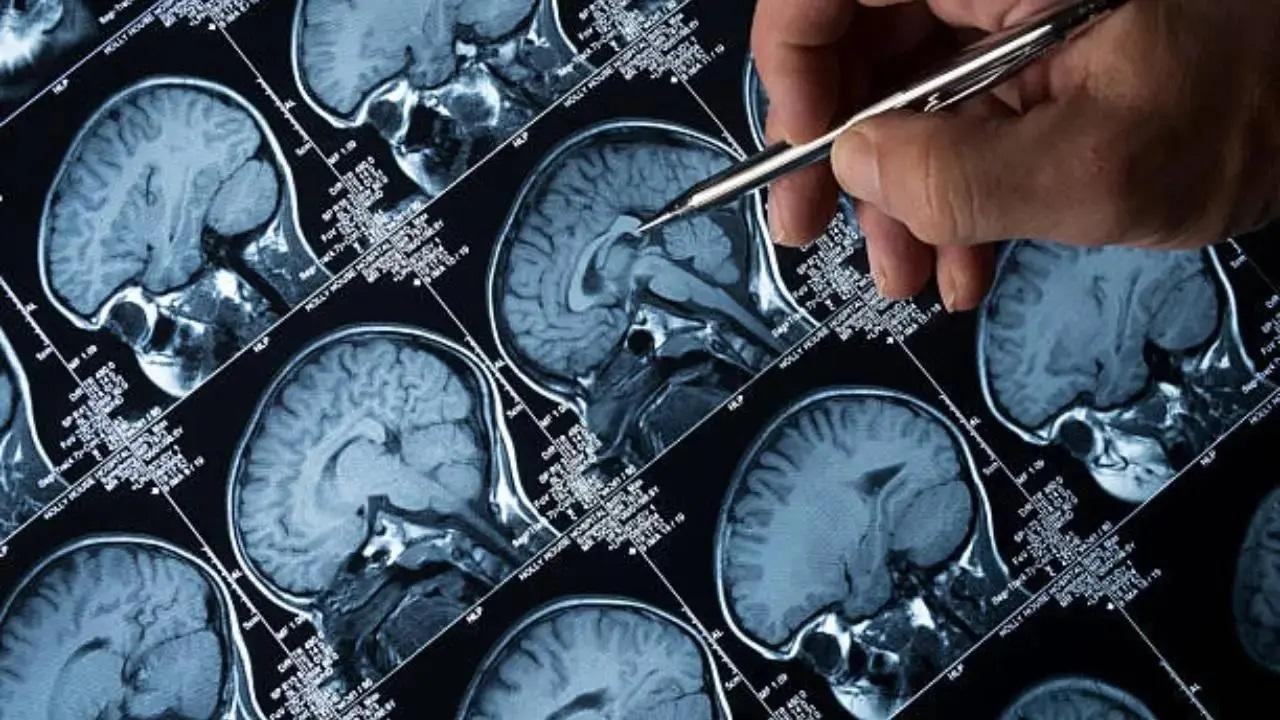
13 December,2025 02:11 PM IST | Mumbai | mid-day online correspondentJust as respiratory infections and heart ailments tend to increase during winter, experts are also witnessing a noticeable surge in brain stroke cases. The drop in temperature can trigger several physiological changes that elevate stroke risk, including higher blood pressure, thickened blood, dehydration, and reduced physical activity. Doctors are urging people, especially those with hypertension, diabetes, or heart disease, to be extra cautious during the cold season. A stroke occurs when blood flow to a part of the brain is interrupted or reduced, depriving brain tissue of oxygen and nutrients. Within minutes, brain cells begin to die. The most common type, ischemic stroke, happens due to a blood clot blocking a vessel, while hemorrhagic stroke results from a ruptured blood vessel, causing internal bleeding. “However, stroke cases go up in winter as cold weather causes blood vessels to constrict, increasing blood pressure and making the blood thicker and ideal conditions for clot formation. The risk is further worsened by reduced exercise, poor hydration, and greater indoor pollution. Winter dehydration is often overlooked. But even mild dehydration can thicken the blood, increasing the chance of clotting. Seasonal infections such as flu and pneumonia cause inflammation in blood vessels, adding to the risk. People who already have cardiovascular diseases, diabetes, or high cholesterol are particularly vulnerable. There is a 10% rise in stroke cases in people aged 30-65 during winter. If anyone notices early signs like sudden weakness, facial droop, or difficulty in speech, they must rush to a hospital immediately,” said Dr Sunil Kutty, a leading Neurosurgeon (Brain & Spine) at NewEra Hospital, Navi Mumbai. Dr Sunil Kutty further added, “Advances in neuroimaging, such as CT and MRI scans, allow doctors to quickly identify the type and location of a stroke, enabling faster and more precise treatment. Thrombolysis involves using clot-busting drugs (like tPA) to restore blood flow in ischemic strokes if given within a few hours of onset. Endovascular therapy, a minimally invasive procedure, allows doctors to physically remove the clot using catheters. Together, these innovations have greatly improved survival rates and recovery outcomes when treatment is started within the crucial “golden window” of 4.5 hours. Stroke prevention starts with awareness and routine health checks. Monitoring blood pressure, staying active, and maintaining hydration can significantly reduce risk. Avoiding smoking, limiting alcohol, and dressing warmly to maintain body temperature are also important." “While winter brings pleasant weather, it also carries silent health risks, especially for the heart and brain. Every winter, there is an increase in stroke admissions. Cold weather causes the blood vessels to narrow, raising blood pressure and strain on the heart. People often reduce exercise, drink less water, and spend more time indoors, all of which increase the risk of clot formation. The key to prevention is awareness and timely medical attention. Beware of BEFAST warning signs that are Balance loss, Eye vision changes, Face drooping, Arm weakness, Speech difficulty, and Time to act fast. With quick intervention, stroke damage can be minimized, and recovery outcomes are far better. Stay vigilant, and seek prompt medical help at the first sign of stroke symptoms. Early action can save lives and prevent long-term disability such as paralysis or even death. Reaching a hospital within the golden hour (first 60 minutes) can save the brain and prevent long-term disability. Treatments such as clot-busting medicines, mechanical thrombectomy, and rehabilitation can restore movement and speech. Prevent stroke by keeping blood pressure in check, staying active, eating healthy, avoiding smoking, and getting regular health check-ups, especially after 60. Remember, nearly 80% of strokes are preventable through better awareness and timely medical attention. A few minutes can decide between recovery and permanent disability. Let’s act fast, stay informed because prevention truly begins with awareness,” concluded Dr. Arvind Sharma, Stroke Specialist & Neurologist, Secretary of the Indian Stroke Association (ISA).
12 December,2025 12:26 PM IST | Mumbai | mid-day online correspondentA study has found gene variants that impact both addiction and education attainment in opposite directions -- a higher genetic risk for addiction was related with an increased chance of a lower education level. The analysis published in the journal 'Addiction' also showed that the genetic link between addiction and education level could increase chances of substance use disorder by up to 66 per cent. "We have long known that substance use problems and school difficulties often appear together and make each other worse. Our research shows that part of this connection is explained by shared genetic factors," lead author Judit Cabana-Domínguez, from the Vall d'Hebron Research Institute in Spain, said. Over 1,400 participants with substance use disorder involving use of cocaine, opiates, cannabis and sedatives were recruited at the Vall d'Hebron Hospital in Spain's Barcelona. The genome-wide association study -- a research method that scans entire human genomes to determine gene variant linked to a disease or behaviour -- identified genetic variants that both increase one's risk of addiction and are associated with gaining lower levels of education. The group of gene variants -- which are changes to a DNA sequence -- is also linked to poorer health and socioeconomic outcomes, along with substance use disorders, the researchers said. The findings suggest a genetic connection between addiction and lower levels of education, though they do not provide enough evidence to determine whether one causes the other, the team added. "Although we found consistent evidence of shared genetic variants influencing both risk of addiction and risk of low educational attainment, our study cannot determine whether low educational attainment increases the risk for addiction, whether addiction leads to school difficulties, or whether both are true," Cabana-Domínguez said. "Although much research remains, our findings suggest that promoting higher educational attainment may help health systems to improve and implement prevention strategies for substance use disorders," the lead author said. This story has been sourced from a third party syndicated feed, agencies. Mid-day accepts no responsibility or liability for its dependability, trustworthiness, reliability and data of the text. Mid-day management/mid-day.com reserves the sole right to alter, delete or remove (without notice) the content in its absolute discretion for any reason whatsoever.
12 December,2025 11:28 AM IST | New Delhi | PTIA collaborative Indo-German research team has identified a clear biological mechanism linking disturbances in gut bacteria to impaired memory, learning, and cognitive function, CUSAT said on Thursday. The study, published in the latest issue of 'BMC Biology', demonstrates how disruption of the gut microbiome, commonly triggered by prolonged antibiotic use or dietary imbalance, initiates systemic inflammation that ultimately affects the neural circuits responsible for memory formation, CUSAT said in a statement. 'BMC Biology' is an open-access scientific journal publishing original, peer-reviewed research across all fields of biology. The research was conducted under a program supported by the Department of Science and Technology (DST) and the German Academic Exchange Service (DAAD). The team was led by Dr Baby Chakrapani PS from the Centre of Excellence in Neurodegeneration and Brain Health (CENABH) and the Centre for Neuroscience, Department of Biotechnology at Cochin University of Science and Technology, and Prof Martin Korte from the Technical University of Braunschweig and the Helmholtz Centre for Infection Research (HZI). The research was carried out as part of Krishnapriya's doctoral research under the supervision of Chakrapani. CUSAT's statement explained that researchers examined how antibiotic-induced gut dysbiosis, an imbalance in the gut microbial community, impacts physiological processes beyond the intestine. Their findings reveal that disturbances in gut bacteria trigger a cascade of inflammatory and oxidative responses that compromise the integrity of the gut barrier, generating signals that reach the brain and alter its immune environment. "Gut dysbiosis initiates a systemic inflammatory state that does not remain confined to the gut. These inflammatory cues eventually influence the brain's own immune cells," Chakrapani said. A crucial observation concerned the behaviour of microglia, the brain's resident immune cells, which act as custodians by removing cellular waste and pruning weak or unnecessary synapses¿the junctions through which neurons communicate. Under sustained gut-derived inflammatory stress, microglia became overactive, removing not only weak synapses but also healthy neural connections essential for memory formation. "Instead of selectively refining synapses, they began removing critical neural connections involved in forming and storing memories. This excessive pruning led to observable difficulties in learning and memory tasks," Korte said. The researchers emphasised that gut dysbiosis is increasingly common due to frequent antibiotic use, highly processed diets, stress, and poor sleep¿factors that reduce gut microbial diversity. "People often think of gut health only in relation to digestion," Korte said, adding, "But our results show that maintaining a healthy gut environment is also essential for cognitive well-being." According to CUSAT, the findings open new avenues for interventions, suggesting that safeguarding gut health through prudent antibiotic use, targeted probiotics, and a balanced diet may not only protect the digestive system but also actively preserve cognitive functions. "We are only beginning to understand how deeply connected the gut and brain really are. This study is one step towards mapping that complex relationship," Chakrapani said. The team expects future studies to explore whether restoring gut balance could reverse cognitive deficits and whether similar mechanisms are involved in neurodegenerative disorders. This story has been sourced from a third party syndicated feed, agencies. Mid-day accepts no responsibility or liability for its dependability, trustworthiness, reliability and data of the text. Mid-day management/mid-day.com reserves the sole right to alter, delete or remove (without notice) the content in its absolute discretion for any reason whatsoever.
12 December,2025 10:09 AM IST | Kochi | PTIScientists from Kolkata-based Bose Institute have created GlowCas9 -- a CRISPR protein that lights up while performing gene editing -- to help boost treatment of genetic diseases and cancer, said the Ministry of Science and Technology on Wednesday. While CRISPR-Cas9 had been designed to cut and correct DNA with accuracy, scientists could not observe Cas9, the molecular surgeon, in living cells in real time, as traditional detection methods relying on fixing or breaking open cells make it impossible to track the process as it unfolds. With the newly engineered CRISPR protein, scientists could observe the Cas9 enzyme as it enables them to edit genomes using the CRISPR-Cas9 system for treating genetic diseases, including cancer. “Gene therapy could be a permanent cure for many life-threatening hereditary diseases. Developing effective, affordable, and safe gene therapy methods remained a challenge for decades,” said the Ministry. “Tracking gene editing as it happens or watching the molecular machinery as it works, cutting, repairing, and rewriting DNA inside living cells can help monitor CRISPR operations in living cells and tissues without destroying them,” it added. The finding led by Dr. Basudeb Maji, from the Bose Institute, an autonomous institute of the Department of Science and Technology (DST), opens a new chapter in the visualisation and tracking of genome engineering. Arkadeep Karmakar, a Ph.D. researcher in Maji’s lab, designed GlowCas9 -- a bioluminescent version of Cas9 that glows inside cells, by fusing Cas9 with a split nano-luciferase enzyme derived from deep-sea shrimp proteins. “These inactive enzyme pieces reconnect when Cas9 folds correctly, producing light. This is because when the pieces are brought to close proximity, they can reassemble to restore enzymatic activity and produce a visible signal akin to the gentle light of fireflies,” stated the researchers in the study, published in the journal Angewandte Chemie International Edition. The glowing activity allows scientists to monitor CRISPR operations in living cells, tissues, and even plant leaves --without harming them. The team found that GlowCas9 is very stable and maintains its structure and activity at higher temperatures compared to the conventional enzyme. Such sturdiness is important for gene therapy, where stable Cas9 delivery can greatly increase treatment success. GlowCas9 also increases the precision of homology-directed repair (HDR) -- a DNA repair process crucial for fixing hereditary mutations that are linked to genetic diseases like sickle cell anaemia, and muscular dystrophy. GlowCas9 can also be tracked in plant systems, hinting at safe, non-transgenic applications in crop improvement, the researchers said. This story has been sourced from a third party syndicated feed, agencies. Mid-day accepts no responsibility or liability for its dependability, trustworthiness, reliability and data of the text. Mid-day management/mid-day.com reserves the sole right to alter, delete or remove (without notice) the content in its absolute discretion for any reason whatsoever.
12 December,2025 09:11 AM IST | New Delhi | IANSThroat infections are becoming a growing matter of concern in Mumbai this winter, with doctors reporting a sharp rise in cases across all age groups. Experts are reporting a noticeable rise in people experiencing throat pain, difficulty swallowing, persistent coughing, and irritation. Cold air, sudden temperature changes, and high viral activity during winter make the throat more sensitive, while pollution further worsens symptoms. Many people also ignore early signs, which leads to prolonged discomfort and repeated infections. Experts advise staying hydrated, having warm fluids, steam inhalation, and timely medical care to avoid complications. Winter throat infections are usually caused by viruses, bacteria, or irritation from cold and polluted air. Many people across Mumbai experience these symptoms as temperatures drop. Dr Akash Gupta, ENT, Apollo Spectra Mumbai said, “Cold air, viral spread in crowded places, and lowered immunity during winter make the throat more vulnerable. Pollution and smog also irritate the airway, making symptoms worse. The symptoms seen are throat pain, sore throat, dryness and irritation, cough and phlegm, hoarseness of voice, and even mild fever or body pain. There is a 70% surge in throat infection cases. Last month 7 out of 10 people aged 20–60 are coming in with complaints of throat pain, swelling, and irritation. Simple habits like drinking warm water, taking steam inhalation twice a day, avoiding sudden temperature changes, saying no to ice creams and cold drinks, spicy or acidic foods, resting, using a mask outdoors, and keeping the throat moist can reduce the risk. Early management helps prevent severe infections or the need for antibiotics. People should not ignore continuous soreness or pain, especially if it lasts more than two to three days.” Dr Nirav Dhiraj Chheda, ENT, Zynova Shalby Hospital said, “Winter can take a toll on the respiratory health. Many people also experience throat infections that can bring along discomfort. Winter brings colder air, faster viral spread, higher pollution, and lower immunity, all of which make the throat more sensitive and easily infected. 50% surge has been witnessed in throat infection cases during winter. 5 out of 10 people in the last month complained of throat pain, sore throat, swelling, and irritation. Many adults come to us only after the soreness becomes severe or when swallowing becomes painful. Winter infections spread fast, especially in offices and crowded places. Early care, warm fluids, and avoiding cold exposure help in quick recovery. If symptoms continue for more than a few days, a doctor must evaluate them to rule out bacterial infection or tonsillitis and then recommend a proper line of treatment.”
11 December,2025 02:50 PM IST | Mumbai | mid-day online correspondentSelf-driving Waymo taxis have gone viral for negative reasons involving the death of a beloved San Francisco bodega cat and pulling an illegal U-turn in front of police who were unable to issue a ticket to a non-existent driver. But this week, the self-driving taxis are the bearer of happier news after a San Francisco woman gave birth in a Waymo. The mother was on her way to the University of California, San Francisco medical centre on Monday when she delivered inside the robotaxi, said a Waymo spokesperson in a statement on Wednesday, December 11. The company said its rider support team detected "unusual activity" inside the vehicle and called to check on the rider as well as alert 911. Waymo, which is owned by Google's parent company, Alphabet, declined to elaborate on how the vehicle knew something was amiss. The company has said it has cameras and microphones inside as well as outside the cars. The taxi and its passengers arrived safely at the hospital ahead of emergency services. Jess Berthold, a UCSF spokesperson, confirmed the mother and child were brought to the hospital. She said the mother was not available for interviews. Waymo said the vehicle was taken out of service for cleaning after the ride. While still rare, this was not the first baby delivered in one of its taxis, the company said. "We're proud to be a trusted ride for moments big and small, serving riders from just seconds old to many years young," the company said. The driverless taxis have surged in popularity even as they court higher scrutiny. Riders can take them on freeways and interstates around San Francisco, Silicon Valley, Los Angeles and Phoenix. In September, a Waymo pulled a U-turn in front of a sign telling drivers not to do that, and social media users dumped on the San Bruno Police because state law prohibited officers from ticketing the car. In October, a popular tabby cat named Kit Kat known to pad around its Mission District neighbourhood was crushed to death by a Waymo This story has been sourced from a third party syndicated feed, agencies. Mid-day accepts no responsibility or liability for its dependability, trustworthiness, reliability and data of the text. Mid-day management/mid-day.com reserves the sole right to alter, delete or remove (without notice) the content in its absolute discretion for any reason whatsoever.
11 December,2025 11:42 AM IST | San Francisco | APWhile uncontrolled diabetes is unfolding as a silent crisis in India, resulting in organ damage and failure, metabolic surgery can help prevent it, according to a doctor at the All India Institute of Medical Sciences (AIIMS) Delhi on Wednesday, December 10. India is already known as the diabetes capital of the world, but Dr. Manjunath Maruti Pol, additional professor, Department of Surgery at AIIMS, New Delhi, shared that uncontrolled diabetes is surging complications such as kidney failure, heart attacks, strokes, neuropathy, and retinopathy, among others. In India, 70 million people suffer from diabetes, and 50 per cent of them have uncontrolled diabetes, shared the doctor, noting that the worldwide criteria for HbA1c (a measure of blood sugar control) is 7. But in India, it is 7.5. "Uncontrolled diabetes can be defined as when HbA1C levels continue to remain at 7.5 despite taking 3 or more than 3 medicines and controlling diet and lifestyle for at least 2 years," Pol said. He stated that HbA1c is inversely related to the occurrence of complications. In other words, if HbA1c increases, organs will begin to fail in a short duration, leading to death. "Surgery is now an internationally recommended treatment for selective uncontrolled Type-2 Diabetes Mellitus (T2DM)," the expert said. Surgery as a treatment for diabetes was formally recognised in 2016 by the International Diabetes Federation (IDF). How it is doneAccording to the guidelines, this surgery can be performed on patients aged 18 to 65 years. Unlike Type-1 diabetes, where surgery is conducted on the pancreas, the surgery for uncontrolled Type 2 diabetes is done on the stomach and intestine. "The stomach is made small and small intestine is joined, with this, the stomach is sized like a tube, the size of that stomach varies depending on the metabolic profile of the patient, and small intestine, we join that small tube, so that the food goes directly to the intestine, bypassing the duodenum,” Pol said. So when the food goes directly there, there are certain GLP or hormone release, in a physiological dose and rhythm, time, quantity, he added, noting that the surgery halts the damage. "In our own retrospective analysis, we have performed over 100 surgeries, with 35 per cent on patients with uncontrolled Type-2 diabetes. All of them are currently off diabetes medications,” the expert stated. He lauded the rapid pace of improvement post-surgery. Many patients show near-normal blood sugar levels from the first post-operative day, proving that the benefits are weight-independent. “The cost of the surgery, done via laparoscopy or robotic, is between Rs 3 and 6 lakhs,” Pol said, adding that the benefits are indeed significant. This story has been sourced from a third party syndicated feed, agencies. Mid-day accepts no responsibility or liability for its dependability, trustworthiness, reliability and data of the text. Mid-day management/mid-day.com reserves the sole right to alter, delete or remove (without notice) the content in its absolute discretion for any reason whatsoever.
11 December,2025 10:46 AM IST | New Delhi | IANSIndians may be consuming adequate protein on average, but nearly half of it is coming from low-quality cereal sources, according to a new study released by the Council on Energy, Environment and Water (CEEW). The analysis, based on the latest 2023-24 NSSO Household Consumption Expenditure Survey, highlights deep nutritional imbalances and widening diet-related inequalities across expenditure groups. While Indians consume an average of 55.6 grams of protein per day at home, nearly 50 per cent of this intake comes from cereals such as rice, wheat, maida, and suji, far higher than the National Institute of Nutrition's (NIN) recommended 32 per cent. Pulses account for only 11 per cent of total protein intake, well below the 19 per cent recommended, the study reported. India's protein intake has increased only slightly over the past decade, yet it remains adequate. According to the Ministry of Statistics and Programme Implementation of India, average daily per capita protein intake rose from 60.7 g to 61.8 g in rural areas and from 60.3 g to 63.4 g in urban areas between 2011-12 and 2023-24. India's protein intake has increased only marginally over the past decade, but disparities remain pronounced. The top 10 per cent of households consume 1.5 times more protein than the poorest. Animal-based protein consumption shows the widest gap: the poorest rural households meet only 38 per cent of the recommended intake of eggs, fish, and meat, while the richest exceed requirements, according to a CEEW report. Milk consumption shows a similar pattern, with only one-third of the recommended level among the poorest, compared with over 110% among the highest expenditure groups. India's diet remains heavily skewed toward cereals and cooking oils, with both contributing to significant nutritional imbalance. Nearly three-fourths of all carbohydrates come from cereals, and direct cereal intake continues to be 1.5 times the RDA, reinforced by the widespread availability of subsidised rice and wheat through the PDS in lower-expenditure deciles. Coarse grains such as jowar, bajra, and ragi have experienced the steepest decline in at-home consumption, with per capita consumption falling by nearly 40 per cent over the past decade, resulting in Indians meeting barely 15 per cent of the recommended intake. At the same time, the proportion of households consuming more than 1.5 times the recommended fat intake has more than doubled in the last decade, with higher-expenditure households consuming almost twice as much fat as lower-expenditure groups. This story has been sourced from a third party syndicated feed, agencies. Mid-day accepts no responsibility or liability for its dependability, trustworthiness, reliability and data of the text. Mid-day management/mid-day.com reserves the sole right to alter, delete or remove (without notice) the content in its absolute discretion for any reason whatsoever.
11 December,2025 09:58 AM IST | New Delhi | ANIDoctors in Bengaluru have achieved a major medical milestone by successfully performing a rare and highly complex robotic double valve replacement using the latest-generation Da Vinci Xi Surgical System on an elderly woman giving her a new lease of life. The procedure was led by Dr Sathyaki Nambala, renowned cardiac surgeon and chief of Robotic Cardiac Surgery at Apollo Hospitals, Bengaluru. This landmark surgery marks a significant advancement in bringing complex multi-valve replacement into the domain of minimally invasive, robotic-assisted cardiac care in India. Although robotic double valve replacement was reported in India over a decade ago, those early attempts were limited to first-generation robotic systems. The patient, a 53-year-old elderly woman, presented with severe destruction of both the aortic and mitral valves due to infective endocarditis. She also suffered from multiple comorbidities, including rheumatoid arthritis, obesity, thyroid dysfunction, and a prior stroke, making her a high-risk candidate for conventional open-heart surgery. Given the complexity, the surgical team opted for a minimally invasive robotic approach using the Da Vinci Xi Surgical System. A simultaneous aortic and mitral valve replacement with bioprosthetic valves was successfully performed under transesophageal echocardiographic (TEE) guidance. The entire surgery was completed through small keyhole incisions, without the need for a midline sternotomy.The patient was extubated and mobilised within 12 hours, transferred to the ward shortly thereafter, and discharged on the third postoperative day. At her one-week follow-up, she remained asymptomatic and in good health, highlighting the safety, precision, and patient-centric advantages of robotic cardiac surgery even in high-risk cases. Dr Nambala, National Director, Robotic Cardiac Surgery, Apollo Hospitals said, “This achievement represents a major milestone not only for the hospital, but for the cardiac surgery community in Asia. While robotic double valve replacement has been attempted in the past, performing it today with next-generation robotic platforms introduces an entirely new level of precision, control, and safety. This evolution has allowed us to reinvent what is possible in complex multi-valve surgery through a truly minimally invasive approach.” Dr. Girish B. Navasundi, Director Cath Lab & Senior Consultant – Cardiology, at the hospital, added, “The success of this procedure highlights how advanced robotic technology is redefining the landscape of cardiac surgery. It demonstrates the immense potential of minimally invasive, robotic-assisted interventions in managing complex valvular heart disease safely and effectively—ensuring reduced surgical trauma, minimal blood loss, and faster recovery for patients.” Akshay Oleti, CEO of the hospital in Karnataka, stated, "Dr Sathyaki and his team reached this milestone through their unmatched experience of over 3,000 minimally invasive cardiac procedures and more than 600 robotic cardiac surgeries.”
10 December,2025 05:31 PM IST | Bengaluru | mid-day online correspondentIntegrating universal screening for depression in India's primary healthcare system could be expected to generate a net savings of Rs 291 billion to Rs 482 billion, a study published in The Lancet Regional Health Southeast Asia has estimated. Researchers, including those from the Postgraduate Institute of Medical Education and Research (PGIMER) in Chandigarh and National Institute of Mental Health and Neurosciences (NIMHANS) in Bengaluru, said the savings is equivalent to 0.19 per cent to 0.32 per cent of the country's gross domestic product. People aged 20 and older would be cheaper to screen than those above 30, the study found. The researchers also noted that the screening programme could save money if at least 60 per cent of patients receiving treatment go through public healthcare facilities. Current practices involve 'opportunistic diagnoses' -- in which diagnosis is incidental, such as through tests done for other reasons -- and managing patients showing symptoms of the mental disorder. Cashless healthcare services related to 22 procedures of the mental disorder specialty, including intellectual disability, schizophrenia and autism, are available to those eligible under the health benefit package of Ayushman Bharat Pradhan Mantri-Jan Arogya Yojana (AB PM-JAY), according to a March 2025 statement by the Ministry of Health and Family Welfare. The study indicates "substantial public health and economic benefits" of integrating population-based depression screening into the primary healthcare system, the researchers said. The findings also support the case for a primary healthcare oriented-health system, they added. Data from National Mental Health Survey and the National Sample Survey, along with those from previously published studies were analysed. "The (universal depression screening) program is expected to generate net savings of Rs 291 billion (USD 3.7 billion) to Rs 482 billion (USD 6.1 billion), equivalent to 0.19 per cent to 0.32 per cent of GDP," the authors wrote. "Expanding coverage to individuals aged 20 years and above, along with ensuring high diagnostic accuracy through quality training and supportive supervision, will be key to sustaining and maximising the programme's impact," they added. The population-based screening is also projected to reduce depression-related suicides by about 15 per cent yearly, highlighting the importance of early detection and intervention in averting fatal outcomes, the authors said. "Our analysis strongly supports the adoption of a universal two-step screening strategy for depression, using PHQ-2 (questionnaire) followed by PHQ-9 within India's government primary healthcare system," they said. Patient Health Questionnaire-2 and 9 are designed for screening, diagnosing and monitoring depression severity in adults, and used widely around the world in diverse settings, including primary care and research. This story has been sourced from a third party syndicated feed, agencies. Mid-day accepts no responsibility or liability for its dependability, trustworthiness, reliability and data of the text. Mid-day management/mid-day.com reserves the sole right to alter, delete or remove (without notice) the content in its absolute discretion for any reason whatsoever
10 December,2025 11:51 AM IST | New Delhi | PTIADVERTISEMENT