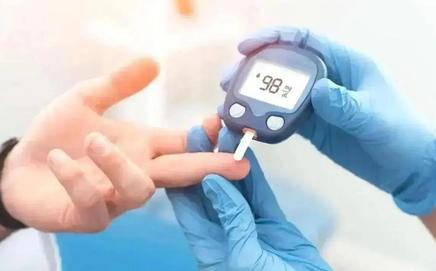
Bringing blood glucose to normal range through lifestyle changes could halve the risk of heart attack, heart failure and premature death among prediabetics, according to a study. Findings published in 'The Lancet Diabetes and Endocrinology' journal show that remission of prediabetes -- achieving normal blood glucose levels -- may establish a new, measurable target for clinical guidelines, according to researchers. A fasting blood glucose value of under 97 milligrams per decilitre proved to be a simple marker for a persistently lower risk of heart disease, regardless of age, weight, or ethnic background, the researchers said. This threshold could be applied in primary care practices worldwide, making prevention more tangible, they added. "Our results suggest that remission of prediabetes not only delays or prevents the onset of type 2 diabetes, as already known, but also protects people from serious cardiovascular diseases in the long term, over the span of decades," author Dr Andreas Birkenfeld, a board member of the German Center for Diabetes Research and medical director of the department of medicine at University Hospital Tübingen, said. The team, including researchers from the US and China, analysed long-term data from more than 2,400 people with prediabetes. The participants' risk of cardiovascular death reduced by roughly 50 per cent, with a significant lowering of overall mortality. The US study followed its participants for 20 years, while the China one tracked participants for 30. Cardiovascular prevention has so far rested on three pillars -- blood pressure control, lowering LDL cholesterol, and smoking cessation. With the new findings, a fourth pillar could be added -- a sustained normalisation of blood glucose in prediabetes, the team said. "Reaching prediabetes remission is linked to a decades-long benefit, halving the risk of cardiovascular death or hospitalisation for heart failure in diverse populations. Targeting remission might represent a new approach to cardiovascular prevention," the authors wrote. Birkenfeld said, "We see a clear therapeutic window: If glucose levels are normalised already at the prediabetes stage, the long-term risk of heart attack, heart failure and premature death can be markedly reduced." "Our data support explicitly anchoring remission as a primary treatment goal in guidelines for the prevention of diabetes and cardiovascular disease," the author said. This story has been sourced from a third party syndicated feed, agencies. Mid-day accepts no responsibility or liability for its dependability, trustworthiness, reliability and data of the text. Mid-day management/mid-day.com reserves the sole right to alter, delete or remove (without notice) the content in its absolute discretion for any reason whatsoever
15 December,2025 05:29 PM IST | New Delhi | PTIDoctors in Mumbai have successfully treated a young ex-airhostess suffering from palmar hyperhidrosis, a medical condition characterised by excessive sweating of the hands, through Bilateral Thoracoscopic Sympathectomy (VATS)—a safe, minimally invasive, day-care surgical procedure with immediate results. Hyperhidrosis is estimated to affect 2–5 per cent of the population in India, yet remains significantly underreported, as many individuals do not recognise it as a medical condition and continue to suffer silently. The disorder can severely impact daily functioning, emotional well-being, and professional life if left untreated. The patient had been experiencing symptoms since adolescence and had sought multiple medical opinions over the years with no lasting relief. The condition eventually forced her to step away from her profession and affected her mental health and self-confidence. The patient underwent Bilateral Thoracoscopic Sympathectomy (VATS), performed by Dr. Vimesh Rajput, consultant – Thoracic Surgery at Jaslok Hospital & Research Centre. Anaesthesia was expertly managed by Dr. Savi Kapila, Consultant – Anaesthesiology, a one-hour surgical procedure that interrupts the sympathetic nerves responsible for excessive sweating of the hands. “Hyperhidrosis is not a minor inconvenience—it is a disabling medical condition that can push patients into social isolation, anxiety, and even depression,” said Dr. Vimesh Rajput, Thoracic Surgeon at Jaslok Hospital. “What makes the situation unfortunate is that a definitive, safe solution exists, yet awareness remains extremely low.” Emphasising the effectiveness of the procedure, he added, “This is a minimally invasive, day-care surgery. Patients walk in with a problem that has affected them for years and walk out the same day with immediate relief. The results are predictable, lasting, and often life-changing.” Dr. Rajput also highlighted the importance of early consultation and intervention, “Many patients dismiss excessive sweating as something they must live with. Over time, it impacts confidence, social interactions, and mental health. Early diagnosis and timely surgical treatment can completely restore dignity and quality of life.” Post-procedure, the patient experienced instant and complete resolution of symptoms, allowing her to resume normal daily activities without fear, embarrassment, or discomfort. Speaking about the case Dr Milind Khadke, Chief Medical Officer at hospital said “Correct diagnosis of hyperhidrosis is vital. With minimally invasive, short-stay procedures like VATS sympathectomy, patients can achieve immediate relief and restored confidence. Greater awareness is needed so individuals recognise this condition as treatable and seek timely medical intervention. Jaslok Hospital’s clinical excellence ensures comprehensive management of all kinds of diseases with world-class care.”
15 December,2025 09:51 AM IST | Mumbai | mid-day online correspondentThe Supernova Stent -- a new and advanced brain treatment device -- has been demonstrated to be safe and effective for stroke patients, said experts at AIIMS Delhi on Saturday, who led the first clinical trial. AIIMS Delhi was the national coordinating centre and the lead enrolling site of the GRASSROOT trial for the Supernova Stent. “This trial is a turning point for stroke treatment in India,” said Dr. Shailesh B. Gaikwad, Professor & Head, Department of Neuroimaging & Interventional Neuroradiology, AIIMS Delhi, and National Principal Investigator of the GRASSROOT Trial. “The Supernova stent has shown excellent safety and efficacy outcomes in the treatment of severe strokes, according to the preliminary trial results,” revealed the preliminary findings published in the reputed Journal of Neurointerventional Surgery (JNIS). In the first prospective multicentre thrombectomy (procedure to physically remove a blood clot from a blocked artery) trial, the Supernova stent retriever achieved high successful restoration of blood flow with brain bleed (3.1 per cent), mortality (9.4 per cent), and 50 per cent functional independence at 90 days. Developed by Gravity Medical Technology, Supernova is designed for India’s diverse patient population, where strokes often strike patients younger than in the West. Earlier this year, data from the GRASSROOT trial were accepted by the Central Drugs Standard Control Organisation (CDSCO), and the Supernova stent-retriever was approved for routine use in India. The GRASSROOT India trial, which confirmed the device’s safety and efficacy in treating life-threatening strokes, was conducted across eight centres. The trial marks a milestone for the Make-in-India initiative and positions India as a global player in advanced stroke care, the experts said. “The device has already treated more than 300 patients in Southeast Asia and will now be manufactured and is available in India at affordable prices, offering new hope to the 1.7 million Indians who suffer strokes each year,” said Dr Dileep Yavagal, Professor of Neurology and Neurosurgery, University of Miami, part of the global trial. This story has been sourced from a third party syndicated feed, agencies. Mid-day accepts no responsibility or liability for its dependability, trustworthiness, reliability and data of the text. Mid-day management/mid-day.com reserves the sole right to alter, delete or remove (without notice) the content in its absolute discretion for any reason whatsoever.
15 December,2025 09:48 AM IST | New Delhi | IANSA year-long autopsy-based study conducted by the AIIMS, New Delhi, found no scientific evidence linking Covid-19 vaccination to sudden deaths among young adults, reaffirming that the vaccines are safe and effective. The study, titled ‘Burden of Sudden Death in Young Adults: A One-Year Observational Study at a Tertiary Care Centre in India’, has been published in the ‘Indian Journal of Medical Research’, the flagship journal of the Indian Council of Medical Research. Researchers closely examined sudden death cases of people aged between 18 and 45 years using verbal autopsy, post-mortem imaging, conventional autopsy and detailed histopathological tests. According to the findings, there was no statistically significant association between Covid-19 vaccination status and sudden deaths in the young population. The researchers found that most of the deaths were caused by well-known medical conditions, with cardiovascular diseases emerging as the leading cause. Respiratory illnesses and other non-cardiac causes were also identified in several cases. The study also noted that both Covid-19 infection history and vaccination status were similar across younger and older age groups, and no causal link between vaccination and sudden deaths was found. These results, the researchers said, are in line with global scientific evidence that supports the safety of Covid-19 vaccines. Dr Sudheer Arava, Professor at AIIMS, New Delhi, said the study is particularly important at a time when misleading claims and unverified reports are circulating about a possible link between Covid-19 vaccines and sudden deaths. He stressed that the findings clearly do not support such claims and highlighted the need for scientific and evidence-based research to guide public understanding. Health experts said that sudden deaths among young individuals, though tragic, are often linked to underlying and sometimes undiagnosed health issues, especially heart-related conditions. They underlined the importance of early health screening, lifestyle changes and timely medical intervention to reduce such risks. Dr Arava also advised people to trust credible scientific sources and avoid misinformation that could weaken public confidence in proven public health measures, including vaccination. This story has been sourced from a third party syndicated feed, agencies. Mid-day accepts no responsibility or liability for its dependability, trustworthiness, reliability and data of the text. Mid-day management/mid-day.com reserves the sole right to alter, delete or remove (without notice) the content in its absolute discretion for any reason whatsoever
14 December,2025 03:43 PM IST | New Delhi | IANSSchool-going children are picking up drug and smoking habits and engaging in consumption of alcohol, with the average age of introduction to such harmful substances found to be around 13 years, suggesting a need for earlier interventions as early as primary school, a multi-city survey by AIIMS-Delhi said. The findings also showed substance use increased in higher grades, with grade XI/XII students two times more likely to report use of substances when compared with grade VIII students. This emphasised the importance of continued prevention and intervention through middle and high school. The study led by Dr Anju Dhawan of AIIMS's National Drug Dependence Treatment Centre, published in the National Medical Journal of India this month, looks at adolescent substance use across diverse regions. The survey included 5,920 students from classes 8, 9, 11 and 12 in urban government, private and rural schools across 10 cities -- Bengaluru, Chandigarh, Delhi, Dibrugarh, Hyderabad, Imphal, Jammu, Lucknow, Mumbai, and Ranchi. The data were collected between May 2018 and June 2019. The average age of initiation for any substance was 12.9 (2.8) years. It was lowest for inhalants (11.3 years) followed by heroin (12.3 years) and opioid pharmaceuticals (without prescription; 12.5 years). Overall, 15.1 per cent of participants reported lifetime use, 10.3 per cent reported past year use, and 7.2 per cent reported use in the past month of any substance, the study found. The most common substances used in the past year, after tobacco (4 per cent) and alcohol (3.8 per cent), were opioids (2.8 per cent), followed by cannabis (2 per cent) and inhalants (1.9 per cent). Use of non-prescribed pharmaceutical opioids was most common among opioid users (90.2 per cent). On being asked, 'Do you think this substance is easily available for a person of your age' separately for each substance category, nearly half the students (46.3 per cent) endorsed that tobacco products and more than one-third of the students (36.5 per cent) agreed that a person of their age can easily procure alcohol products. Similarly, for Bhang (21.9 per cent), ganja/charas (16.1 per cent), inhalants (15.2 per cent), sedatives (13.7 per cent), opium and heroin (10 per cent each), the students endorsed that these can be easily procured. About 95 per cent of the children, irrespective of their grade, agreed with the statement that 'drug use is harmful'. The rates of substance use (any) among boys were significantly higher than those of girls for substance use (ever), use in the past year and use in the past 30 days. Compared to grade VIII students, grade IX students were more likely, and grade XI/XII students were twice as likely to have used any substance (ever). The likelihood of past-year use of any substance was also higher for grade IX students and for grade XI/XII students as compared to grade VIII students. About 40 per cent of students mentioned that they had a family member who used tobacco or alcohol each. The use of cannabis (any product) and opioid (any product) by a family member was reported by 8.2 per cent and 3.9 per cent of students, respectively, while the use of other substances, such as inhalants/sedatives by family was 2-3 per cent, the study found. A relatively smaller percentage of students reported use of tobacco or alcohol among peers as compared to among family members, while a higher percentage reported inhalants, sedatives, cannabis or opioid use among peers. Children using substances (past year) compared to non-users reported significantly higher any substance use by their family members and peers. There were 25.7 per cent students who replied 'yes' to the question 'conflicts/fights often occur in your family'. Most students also replied affirmatively to 'family members are aware of how their time is being spent' and 'damily members are aware of with whom they spend their time'. This story has been sourced from a third party syndicated feed, agencies. Mid-day accepts no responsibility or liability for its dependability, trustworthiness, reliability and data of the text. Mid-day management/mid-day.com reserves the sole right to alter, delete or remove (without notice) the content in its absolute discretion for any reason whatsoever
14 December,2025 03:37 PM IST | New Delhi | PTIPrediabetic patients, who lower their blood sugar levels and can achieve remission, can effectively reduce the likelihood of serious heart problems by nearly 60 per cent, according to a study. The research, published in the journal The Lancet Diabetes & Endocrinology, showed that bringing blood glucose back to normal levels -- effectively reversing prediabetes -- cuts the risk of death from heart disease or hospital admission for heart failure. People who had achieved remission from prediabetes had a 58 per cent lower risk of cardiovascular death or hospitalisation from heart failure. This effect persisted decades after normalising glucose levels, suggesting a lasting impact on regulating blood glucose, said researchers from King's College London, UK. This finding is especially important in light of recent research showing that lifestyle changes alone -- including exercise, weight loss, and dietary improvements -- do not lower cardiovascular risk in people with prediabetes. "The study challenges one of the biggest assumptions in modern preventative medicine. For years, people with prediabetes have been told that losing weight, exercising more, and eating healthier will protect them from heart attacks and early death. While these lifestyle changes are unquestionably valuable, the evidence does not support that they reduce heart attacks or mortality in people with prediabetes," said lead author Dr. Andreas Birkenfeld, Reader in Diabetes, King's College London and University Hospital Tuebingen. "Instead, we show that remission of prediabetes is associated with a clear reduction in fatal cardiac events, heart failure, and all-cause mortality,” Birkenfeld added. Prediabetes is a condition where blood glucose levels are higher than normal but not yet high enough to be diagnosed with type 2 diabetes. Previous studies had shown that combined lifestyle interventions, including increased exercise and eating a healthy diet, did not reduce cardiovascular disease. This suggests that delaying diabetes onset alone does not guarantee cardiovascular protection unless important metabolic changes occur. "The study findings mean that prediabetes remission could establish itself -- alongside lowering blood pressure, cutting cholesterol, and stopping smoking -- as a fourth major primary prevention tool that truly prevents heart attacks and deaths," Birkenfeld said. This story has been sourced from a third party syndicated feed, agencies. Mid-day accepts no responsibility or liability for its dependability, trustworthiness, reliability and data of the text. Mid-day management/mid-day.com reserves the sole right to alter, delete or remove (without notice) the content in its absolute discretion for any reason whatsoever.
14 December,2025 01:02 PM IST | New Delhi | IANSGender equity and community participation are essential to combat the rising cases of non-communicable diseases (NCDs) like diabetes, high BP in India, said experts here on Friday. NCDs, including cancer, cardiovascular diseases, chronic respiratory diseases, and obesity, are responsible for 65 per cent of deaths in India. “Community participation has helped improve infrastructure, service delivery, and health awareness, even in remote regions where challenges are many. We have seen that empowering local leaders and women to take part in planning and monitoring creates ownership and lasting change,” said Dr. Thomas Keppen, Nagaland - Deputy Director, Department of Health and Family Welfare, at an event held in the national capital. Keppen suggested boosting community-based approaches and documenting progress regularly to make systems more transparent and sustainable. The annual Evidence2Policy dialogue, organised by The George Institute for Global Health, India, sparked conversations around bridging the "know-do gap" in public health policy implementation. “Equity in NCD care is not only about women, but it is also about reaching men and every section of the community. When healthcare is taken closer to people, women come forward to seek care, but we must also find ways to engage men,” said Dr. Sumit Malhotra, Professor, Centre for Community Medicine, AIIMS, New Delhi. Malhotra stressed the need to strengthen community health workers, with regular medicine supplies, and improve linkages between different levels of care to make the health system more responsive and fairer. The health officials also underscored the importance of data-driven decision-making, equity-oriented health policies, and strengthening health systems to ensure universal access without financial hardship. Meanwhile, the National Programme for Prevention and Control of Non-Communicable Diseases (NP-NCD), a population-based initiative for prevention, control, and screening for common NCDs, has been rolled out in the country under the National Health Mission (NHM) and also as a part of CPHC. “Population-based screening helps in better management of diseases by the way of early stage of detection, follow-up, and treatment adherence,” the Union Minister of State for Health and Family Welfare, Prataprao Jadhav, shared in the Parliament. “A total of 39.79 crore screenings for hypertension, 39.60 crore for diabetes, 33.57 crore for oral cancer, 15.72 crore for breast cancer have been carried out at all health facilities till November 30,” he added, citing data from the NP-NCD portal. This story has been sourced from a third party syndicated feed, agencies. Mid-day accepts no responsibility or liability for its dependability, trustworthiness, reliability and data of the text. Mid-day management/mid-day.com reserves the sole right to alter, delete or remove (without notice) the content in its absolute discretion for any reason whatsoever.
13 December,2025 03:53 PM IST | New Delhi | IANSGradual reduction of antidepressants together with psychological support can be an effective strategy to stop medication among adults who have recovered from depression, according to a study on Friday. Antidepressants are typically recommended to be taken for six to nine months after a first episode of moderate-to-severe depression and anxiety disorders to prevent relapse. But there are concerns about overprescribing, long-term use, and withdrawal symptoms after discontinuation, which underscore the need for evidence-based deprescribing strategies. To understand, researchers from the University of Verona in Italy conducted a systematic review and network meta-analysis of 76 randomised controlled trials involving 17,379 adults. The findings, published in The Lancet Psychiatry, do not suggest that antidepressants are unnecessary or that psychotherapy alone is adequate. Instead, it highlighted that the results underscore the importance of tailoring deprescribing to each individual, with a gradual individualised tapering of antidepressants alongside structured psychological support. "By incorporating a substantially larger evidence base, a broader range of deprescribing strategies, and direct head-to-head comparisons, our new review clarifies the scientific evidence about the most effective way to come off antidepressants for individuals successfully treated for depression and could change how coming off antidepressants is managed globally," said lead author Professor Giovanni Ostuzzi from the University of Verona in Italy. "We encourage anyone considering coming off antidepressants to discuss the process with their doctor first to jointly find the best strategy for them," he added. The researchers estimated that slow tapering of antidepressants plus psychological support could prevent one relapse in every five individuals compared with abrupt stopping or fast tapering (the two least effective strategies) -- offering a clinically meaningful benefit. Continuing with reduced antidepressant doses was also found to be better than abruptly stopping and fast tapering for reducing relapse, but the evidence for this was less strong. Notably, no significant differences in reported side effects or in the number of dropouts were observed between the deprescribing strategies. This story has been sourced from a third party syndicated feed, agencies. Mid-day accepts no responsibility or liability for its dependability, trustworthiness, reliability and data of the text. Mid-day management/mid-day.com reserves the sole right to alter, delete or remove (without notice) the content in its absolute discretion for any reason whatsoever.
13 December,2025 03:44 PM IST | New Delhi | IANSJust as respiratory infections and heart ailments tend to increase during winter, experts are also witnessing a noticeable surge in brain stroke cases. The drop in temperature can trigger several physiological changes that elevate stroke risk, including higher blood pressure, thickened blood, dehydration, and reduced physical activity. Doctors are urging people, especially those with hypertension, diabetes, or heart disease, to be extra cautious during the cold season. A stroke occurs when blood flow to a part of the brain is interrupted or reduced, depriving brain tissue of oxygen and nutrients. Within minutes, brain cells begin to die. The most common type, ischemic stroke, happens due to a blood clot blocking a vessel, while hemorrhagic stroke results from a ruptured blood vessel, causing internal bleeding. “However, stroke cases go up in winter as cold weather causes blood vessels to constrict, increasing blood pressure and making the blood thicker and ideal conditions for clot formation. The risk is further worsened by reduced exercise, poor hydration, and greater indoor pollution. Winter dehydration is often overlooked. But even mild dehydration can thicken the blood, increasing the chance of clotting. Seasonal infections such as flu and pneumonia cause inflammation in blood vessels, adding to the risk. People who already have cardiovascular diseases, diabetes, or high cholesterol are particularly vulnerable. There is a 10% rise in stroke cases in people aged 30-65 during winter. If anyone notices early signs like sudden weakness, facial droop, or difficulty in speech, they must rush to a hospital immediately,” said Dr Sunil Kutty, a leading Neurosurgeon (Brain & Spine) at NewEra Hospital, Navi Mumbai. Dr Sunil Kutty further added, “Advances in neuroimaging, such as CT and MRI scans, allow doctors to quickly identify the type and location of a stroke, enabling faster and more precise treatment. Thrombolysis involves using clot-busting drugs (like tPA) to restore blood flow in ischemic strokes if given within a few hours of onset. Endovascular therapy, a minimally invasive procedure, allows doctors to physically remove the clot using catheters. Together, these innovations have greatly improved survival rates and recovery outcomes when treatment is started within the crucial “golden window” of 4.5 hours. Stroke prevention starts with awareness and routine health checks. Monitoring blood pressure, staying active, and maintaining hydration can significantly reduce risk. Avoiding smoking, limiting alcohol, and dressing warmly to maintain body temperature are also important." “While winter brings pleasant weather, it also carries silent health risks, especially for the heart and brain. Every winter, there is an increase in stroke admissions. Cold weather causes the blood vessels to narrow, raising blood pressure and strain on the heart. People often reduce exercise, drink less water, and spend more time indoors, all of which increase the risk of clot formation. The key to prevention is awareness and timely medical attention. Beware of BEFAST warning signs that are Balance loss, Eye vision changes, Face drooping, Arm weakness, Speech difficulty, and Time to act fast. With quick intervention, stroke damage can be minimized, and recovery outcomes are far better. Stay vigilant, and seek prompt medical help at the first sign of stroke symptoms. Early action can save lives and prevent long-term disability such as paralysis or even death. Reaching a hospital within the golden hour (first 60 minutes) can save the brain and prevent long-term disability. Treatments such as clot-busting medicines, mechanical thrombectomy, and rehabilitation can restore movement and speech. Prevent stroke by keeping blood pressure in check, staying active, eating healthy, avoiding smoking, and getting regular health check-ups, especially after 60. Remember, nearly 80% of strokes are preventable through better awareness and timely medical attention. A few minutes can decide between recovery and permanent disability. Let’s act fast, stay informed because prevention truly begins with awareness,” concluded Dr. Arvind Sharma, Stroke Specialist & Neurologist, Secretary of the Indian Stroke Association (ISA).
12 December,2025 12:26 PM IST | Mumbai | mid-day online correspondentA study has found gene variants that impact both addiction and education attainment in opposite directions -- a higher genetic risk for addiction was related with an increased chance of a lower education level. The analysis published in the journal 'Addiction' also showed that the genetic link between addiction and education level could increase chances of substance use disorder by up to 66 per cent. "We have long known that substance use problems and school difficulties often appear together and make each other worse. Our research shows that part of this connection is explained by shared genetic factors," lead author Judit Cabana-Domínguez, from the Vall d'Hebron Research Institute in Spain, said. Over 1,400 participants with substance use disorder involving use of cocaine, opiates, cannabis and sedatives were recruited at the Vall d'Hebron Hospital in Spain's Barcelona. The genome-wide association study -- a research method that scans entire human genomes to determine gene variant linked to a disease or behaviour -- identified genetic variants that both increase one's risk of addiction and are associated with gaining lower levels of education. The group of gene variants -- which are changes to a DNA sequence -- is also linked to poorer health and socioeconomic outcomes, along with substance use disorders, the researchers said. The findings suggest a genetic connection between addiction and lower levels of education, though they do not provide enough evidence to determine whether one causes the other, the team added. "Although we found consistent evidence of shared genetic variants influencing both risk of addiction and risk of low educational attainment, our study cannot determine whether low educational attainment increases the risk for addiction, whether addiction leads to school difficulties, or whether both are true," Cabana-Domínguez said. "Although much research remains, our findings suggest that promoting higher educational attainment may help health systems to improve and implement prevention strategies for substance use disorders," the lead author said. This story has been sourced from a third party syndicated feed, agencies. Mid-day accepts no responsibility or liability for its dependability, trustworthiness, reliability and data of the text. Mid-day management/mid-day.com reserves the sole right to alter, delete or remove (without notice) the content in its absolute discretion for any reason whatsoever.
12 December,2025 11:28 AM IST | New Delhi | PTIA collaborative Indo-German research team has identified a clear biological mechanism linking disturbances in gut bacteria to impaired memory, learning, and cognitive function, CUSAT said on Thursday. The study, published in the latest issue of 'BMC Biology', demonstrates how disruption of the gut microbiome, commonly triggered by prolonged antibiotic use or dietary imbalance, initiates systemic inflammation that ultimately affects the neural circuits responsible for memory formation, CUSAT said in a statement. 'BMC Biology' is an open-access scientific journal publishing original, peer-reviewed research across all fields of biology. The research was conducted under a program supported by the Department of Science and Technology (DST) and the German Academic Exchange Service (DAAD). The team was led by Dr Baby Chakrapani PS from the Centre of Excellence in Neurodegeneration and Brain Health (CENABH) and the Centre for Neuroscience, Department of Biotechnology at Cochin University of Science and Technology, and Prof Martin Korte from the Technical University of Braunschweig and the Helmholtz Centre for Infection Research (HZI). The research was carried out as part of Krishnapriya's doctoral research under the supervision of Chakrapani. CUSAT's statement explained that researchers examined how antibiotic-induced gut dysbiosis, an imbalance in the gut microbial community, impacts physiological processes beyond the intestine. Their findings reveal that disturbances in gut bacteria trigger a cascade of inflammatory and oxidative responses that compromise the integrity of the gut barrier, generating signals that reach the brain and alter its immune environment. "Gut dysbiosis initiates a systemic inflammatory state that does not remain confined to the gut. These inflammatory cues eventually influence the brain's own immune cells," Chakrapani said. A crucial observation concerned the behaviour of microglia, the brain's resident immune cells, which act as custodians by removing cellular waste and pruning weak or unnecessary synapses¿the junctions through which neurons communicate. Under sustained gut-derived inflammatory stress, microglia became overactive, removing not only weak synapses but also healthy neural connections essential for memory formation. "Instead of selectively refining synapses, they began removing critical neural connections involved in forming and storing memories. This excessive pruning led to observable difficulties in learning and memory tasks," Korte said. The researchers emphasised that gut dysbiosis is increasingly common due to frequent antibiotic use, highly processed diets, stress, and poor sleep¿factors that reduce gut microbial diversity. "People often think of gut health only in relation to digestion," Korte said, adding, "But our results show that maintaining a healthy gut environment is also essential for cognitive well-being." According to CUSAT, the findings open new avenues for interventions, suggesting that safeguarding gut health through prudent antibiotic use, targeted probiotics, and a balanced diet may not only protect the digestive system but also actively preserve cognitive functions. "We are only beginning to understand how deeply connected the gut and brain really are. This study is one step towards mapping that complex relationship," Chakrapani said. The team expects future studies to explore whether restoring gut balance could reverse cognitive deficits and whether similar mechanisms are involved in neurodegenerative disorders. This story has been sourced from a third party syndicated feed, agencies. Mid-day accepts no responsibility or liability for its dependability, trustworthiness, reliability and data of the text. Mid-day management/mid-day.com reserves the sole right to alter, delete or remove (without notice) the content in its absolute discretion for any reason whatsoever.
12 December,2025 10:09 AM IST | Kochi | PTIADVERTISEMENT