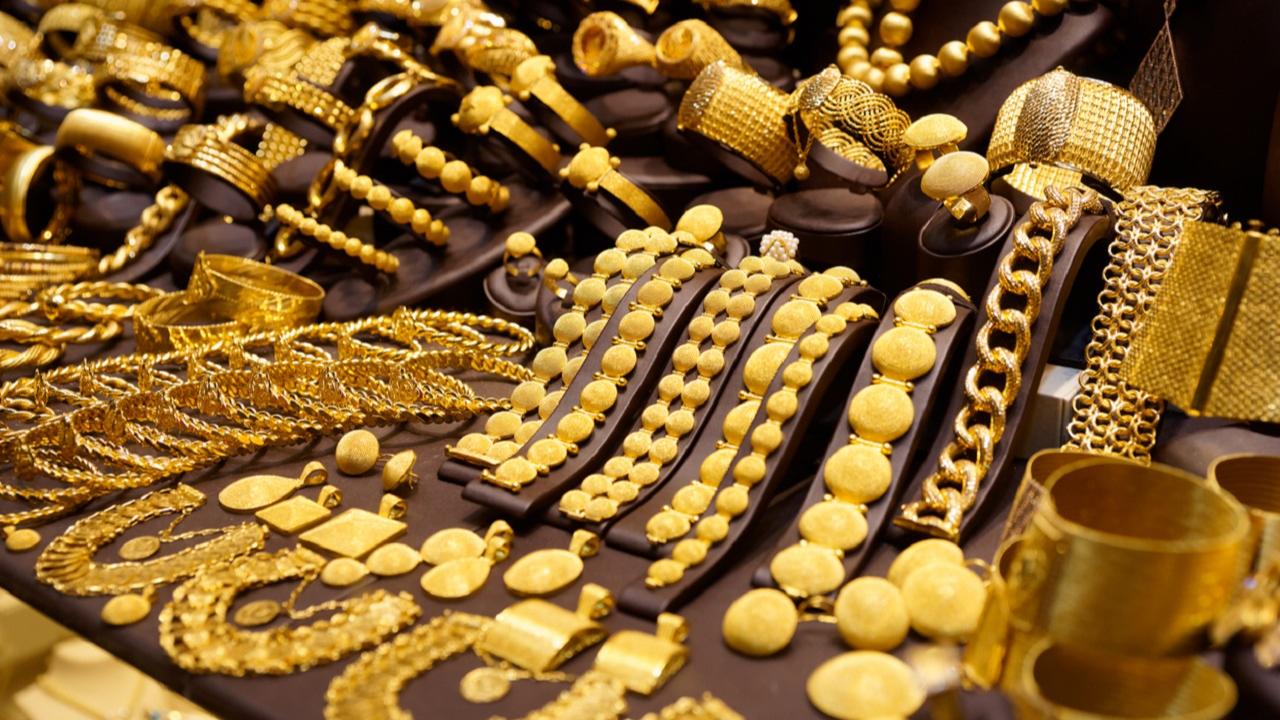
Gold and silver, after experiencing a major downfall on budget day, continued to extend their decline on Monday. The reasons behind their decline are majorly because the margin requirements are set to take effect on the Chicago Mercantile Exchange (CME) in the US. MCX gold futures on Monday, February, fell 1.77 per cent to Rs 1,45,132 per 10 grams on an intra-day basis. Meanwhile, MCX silver March futures dipped 6.88 per cent to Rs 2,47,386 per kg. Gold prices in Mumbai After the stock market on Sunday experienced a major hit, Gold also went down significantly to Rs 1,60,860. Extending its downfall for a second straight day, the price of 24-carat gold on Monday was recorded as Rs 1,60,850 for 10 grams. Whereas the price of 22-carat gold was recorded at Rs 1,47,470.00 for 10 grams. Reason for price dip on gold and silver Analysts said that the free fall of gold and silver from their record highs started after the US President Donald Trump selected Kevin Warsh as the next US Fed Chairman. Investors reacted negatively because Warsh is considered more aggressive on interest-rate policy than earlier chairs, as reported by news agency IANS. Rahul Kalantri, VP Commodities, Mehta Equities Ltd., while briefing about the market, further stated, “The decline was further supported by a stronger U.S. dollar, higher Treasury yields, and upbeat US inflation data (PPI and core PPI). As import duty was kept unchanged in the Union Budget, the domestic premium in bullion suffered, as reported by IANS. The analyst further said, "Gold has support at Rs 1,39,650 to Rs 1,36,310 zone while resistance is at Rs 1,48,850 and Rs 1,50,950. Silver has support at Rs 2,48,810 and Rs 2,37,170 while resistance is at Rs 2,78,810 and Rs 2,95,470," the analyst said. A recent report from WhiteOak Capital Mutual Fund said that investors should trim precious metals allocation back to a safe‑haven allocation level, especially on the silver, as its valuation had reached the most overextended level relative to historical periods. Another reason for bearishness in precious metals can also because Donald Trump nominated Kevin Warsh as the next Federal Reserve chair which fuelled a recovery in the US dollar. Analysts further said Warsh would be less supportive of lower interest rates due to his hawkish stance on inflation control and emphasis on Fed independence, which prompted selling among precious-metals traders. (With inputs from IANS)
02 February,2026 04:12 PM IST | Mumbai | mid-day online correspondentThe rupee gained 37 paise to 91.56 against the US dollar in early trade on Monday, a day after the Union Budget 2026-27 was presented, largely as crude oil prices retreated from their elevated levels. Forex traders said for the rupee, the budget offered reassurance, not relief. Moreover, the government's high borrowing plan is likely to weigh on investor sentiments. The government is likely to borrow Rs 17.2 lakh crore in the next financial year to fund its fiscal deficit projected at 4.3 per cent of the GDP. At the interbank foreign exchange market, the rupee opened at 91.95 against the US dollar, then gained some ground to 91.56, registering a gain of 37 paise over its previous close. On Friday, the rupee hit a record low of 92.02 before ending 6 paise higher at 91.93 against the US dollar. In the initial trade, it also touched 91.95 against the American currency. "Union Budget 2026 did not arrive with fireworks. Instead, it stayed firmly on the path of continuity - focusing on growth, stability, and fiscal discipline. Short-term pressure may persist, but the broader message of fiscal credibility and growth continuity keeps medium-term prospects constructive," CR Forex Advisors MD Amit Pabari said. Pabari further said "with USD/INR hovering just below 92.00, this level now stands as the key near-term pivot. A sustained break above it could open the path toward 92.20, 92.50. Meanwhile, the dollar index, which gauges the greenback's strength against a basket of six currencies, was trading 0.10 per cent higher at 97.08. Brent crude, the global oil benchmark, was trading 4.24 per cent lower at USD 66.38 per barrel in futures trade, as US and Iran were talking about avoiding US strikes on the Iranian soil. The oil prices had touched USD 72 per barrel after traders expected a US strike on Iran during the weekend. On the domestic equity market front, Sensex climbed 302 points to 81,024.94, while Nifty was trading up 59.25 points to 24,884.70. On Sunday, equity markets reacted negatively to the Union Budget as higher securities transaction tax on derivatives and changes to buyback taxation increased costs and weighed on sentiment. Foreign Institutional Investors offloaded equities worth Rs 588.34 crore on Sunday, according to exchange data. This story has been sourced from a third party syndicated feed, agencies. Mid-day accepts no responsibility or liability for its dependability, trustworthiness, reliability and data of the text. Mid-day management/mid-day.com reserves the sole right to alter, delete or remove (without notice) the content in its absolute discretion for any reason whatsoever.
02 February,2026 11:09 AM IST | Mumbai | PTIGold prices edged lower in early trade on Saturday, with the price of 24-carat gold slipping by Rs 10 to Rs 1,69,190 per 10 grams, according to official data. Silver prices also weakened, declining by Rs 100 to Rs 3,94,900 per kilogram. The price of 22-carat gold also fell by Rs 10, with 10 grams of the yellow metal trading at Rs 1,55,090. Across major cities, 10 grams of 24-carat gold was priced at Rs 1,69,190 in Mumbai and Kolkata, while Chennai recorded a higher rate of Rs 1,72,900. In the national capital, Delhi, the same quantity was priced at Rs 1,69,340. For 22-carat gold, prices stood at Rs 1,55,090 per 10 grams in Mumbai, Kolkata, Bengaluru and Hyderabad, while Chennai saw a higher price of Rs 1,58,490. In Delhi, 10 grams of 22-carat gold was priced at Rs 1,55,240. Silver prices remained uniform at Rs 3,94,900 per kilogram in Delhi, Kolkata and Mumbai. In Chennai, silver was trading at a higher rate of Rs 4,04,900 per kilogram. Silver, gold prices plummet amid aggressive profit booking Meanwhile, gold and silver prices saw a meltdown this week, amid dollar strengthening and aggressive profit booking from investors after an unprecedented rally in metal. MCX gold February futures dipped 9 per cent while MCX silver March futures slid down 25 per cent on Friday. Currently gold futures stand at Rs 1,49,075, while silver futures at Rs 2,91,922 per kg. The price of 10 gram 24-carat gold was at Rs 1,65,795 down from Rs 1,75,340 of previous day's close, according to data published by the India Bullion and Jewellers Association (IBJA). The bearishness in precious metals came as US President Donald Trump nominated Kevin Warsh as the next Federal Reserve chair which fuelled a recovery in the US dollar. Analysts said Warsh would be less supportive of lower interest rates due to his hawkish stance on inflation control and emphasis on Fed independence, which prompted selling among precious-metals traders. Regarding silver, they said that industrial demand convergence maintains relative strength potential and a dip to Rs 3 lakh-Rs 3.10 level would signal renewed buying interest, potentially taking the white metal to Rs 3,40,000 to Rs 3,50,000 levels.
31 January,2026 01:11 PM IST | Mumbai | mid-day online correspondentUnion Budget 2026 is all set to be presented on Sunday, 1 February 2026. While the entire nation has been left guessing about what is new that budget will offer this time, traders and investors have been wondering whether the stock market will open on a day that is usually a weekend holiday. Considering the fact that the Union Budget 2026 this year will be presented on a Sunday by the Union Finance Minister Nirmala Sitharaman, the National Stock Exchange and the Bombay Stock Exchange will function as usual even on Sunday. To ensure that investors can react to key policy announcements at the time of the Union Budget, both the NSE and the BSE have confirmed that they will open for regular trading hours. Furthermore, equity and derivatives segments will also operate like a normal market day. Although trading occurs on Sunday, it will remain a settlement holiday, which means that the actual settlement of trades will take place on the next regular business day, which is on Monday, February 2, 2026. The share market regulator has further clarified that stocks bought in markets on Friday, 30 January, will not be allowed to be sold on Sunday, 1st Feb. Stock market timings on budget day The stock market on Sunday will function as a regular working day from 9:30 am to 3:30 pm on the day of the Union Budget announcement. Impact of Union Budget on Stock Market The Union Budget has a powerful influence on the stock market because the annual financial statement of the Indian government describes the expenditure and the income they will be offering or expecting during the financial year. The market on the budget day is often quite volatile because of the new reforms, policies, and new tax measures applied. This factor plays a major role in moving the market indices. The Union Finance Minister, while announcing the budget, might also change the GST, customs duty, excise, and other indirect taxes on various sectors, such as manufacturing, electronics, oil and gas, and FMCG. The direct change in taxation policies is likely to make a difference in a company’s profit and loss, thus forcing the stock price to go either way.
30 January,2026 01:11 PM IST | Mumbai | mid-day online correspondentAsian stocks sank Friday amid fresh worries over vast investments in artificial intelligence, gold and silver tumbled after hitting multiple record highs and oil retreated on hopes for an easing of US-Iran tensions. Markets have endured a rollercoaster ride this week as traders weathered a weaker dollar, Donald Trump's threats against Tehran, a resumption of tariff warnings and a possible US government shutdown. Fresh optimism in the tech sector about the future of AI has provided support, however, with healthy earnings from companies including Meta, Samsung and SK hynix providing much cheer. However, the positivity took a hit Thursday after Microsoft announced a surge in spending on AI infrastructure and revived concerns that companies could take some time before seeing a return on their investments. There are also fears that firms' valuations may be a little too stretched and markets could be in a bubble, having soared in recent years to record highs on the back of a tech-fuelled rally. "Microsoft suffered its worst session since the COVID‑era crash, falling 12 percent and accounting for over two‑thirds of the S&P 500's decline," wrote National Australia Bank's Rodrigo Catril. "Concerns centred on rising investment spending, slower Azure (cloud service) growth, and a longer runway to monetising AI." Wall Street ended mostly in the red, with the Dow the only advancer. And Asia also struggled. Hong Kong and Shanghai fell more than one percent while Tokyo, Sydney, Singapore, Taipei and Manila were also down. Seoul and Wellington rose. Jakarta saw more losses but seemed to be stabilising after a rout over the previous two days sparked by index compiler MSCI calling on regulators to look into ownership concerns. MSCI also said it would hold off adding Indonesian stocks to its indexes or increasing their weighting, while there are concerns it could announce a downgrade from emerging market to frontier market, which could spark an outflow of foreign capital. Gold was also in retreat, sitting around USD 5,200 an ounce, a day after topping out above $5,595. Silver was at $110 from a peak of more than $121. The previous metals were also weighed by a slight uptick in the dollar, having tumbled on Trump appearing to be happy to see the world's reserve currency weaken despite the potential risk of pushing up US inflation. Investors are keeping tabs on developments in the Middle East after the US president sent an "armada" to the region and warned Iran of possible strikes if it did not reach a fresh nuclear deal. Both main contracts were down more than one percent, having spiked as much as five percent Thursday. Still, concerns remain about a conflict in the crude-rich region, which would send prices soaring, also putting upward pressure on inflation. - Key figures at around 0310 GMT - Tokyo - Nikkei 225: DOWN 0.9 percent at 52,923.12 (break) Hong Kong - Hang Seng Index: DOWN 1.4 percent at 27,564.02 Shanghai - Composite: DOWN 1.3 percent at 4,102.41 West Texas Intermediate: UP 1.5 percent at USD 64.14 per barrel Brent North Sea Crude: DOWN 1.1 percent at USD 69.91 per barrel Euro/dollar: DOWN at USD 1.1917 from USD 1.1962 on Thursday Pound/dollar: DOWN at USD 1.3754 from USD 1.3800 Dollar/yen: UP at 153.84 yen from 153.04 yen Euro/pound: DOWN at 86.64 pence from 86.67 pence New York - Dow: UP 0.1 percent at 49,071.56 (close) London - FTSE 100: UP 0.2 percent at 10,171.76 (close) This story has been sourced from a third party syndicated feed, agencies. Mid-day accepts no responsibility or liability for its dependability, trustworthiness, reliability and data of the text. Mid-day management/mid-day.com reserves the sole right to alter, delete or remove (without notice) the content in its absolute discretion for any reason whatsoever.
30 January,2026 12:01 PM IST | Hong Kong | AFPHiring full-time employees made sense when roles were static and growth was linear. But modern businesses operate in cycles—launching, testing, scaling, and adapting constantly. Locking into long-term contracts for every role often slows momentum instead of supporting it. That’s why more companies are choosing to hire freelancers for specific needs. It allows them to access specialised talent exactly when required, without overextending budgets or timelines. The challenge, however, is finding professionals who are not only skilled, but also reliable and aligned with project goals. This is where a focused freelance marketplace becomes essential, acting as a bridge rather than just a listing space. Platforms That Enable Real Collaboration MatterNot all marketplaces are built the same. Some prioritise volume, others prioritise speed, but fewer focus on long-term collaboration and quality. A professional freelancing platform should reduce friction, not add to it. The Osdire platform is designed around this idea—helping businesses and independent professionals connect through clarity rather than competition. Instead of overwhelming users with noise, it creates a more intentional environment where skills, experience, and expectations align naturally. As remote work continues to expand, platforms like Osdire are becoming part of the infrastructure behind modern work. When Hiring Freelancers Becomes a Strategic AdvantageFreelancers are no longer just backup support. Many businesses rely on them for core functions such as development, marketing, design, content, and consulting. When used correctly, freelance talent can speed up execution and raise overall output quality. Companies that know how to hire freelancers effectively often focus less on cost and more on expertise and delivery. Being able to find skilled freelancers without spending weeks filtering profiles gives teams the freedom to stay focused on outcomes rather than process. This shift allows businesses to stay lean while still operating at a high level. Freelancing as a Long-Term Career ChoiceOn the other side of the equation, freelancing has evolved into a serious career path. Professionals are no longer freelancing “between jobs.” Many intentionally choose this model for flexibility, creative control, and global reach. For those looking to start freelancing, the platform they choose can shape their entire experience. Visibility, project quality, and client expectations all depend on the environment they work within. Exploring freelance opportunities through a structured platform makes it easier to build consistency and professional credibility over time. That’s why many choose to become a freelancer in ecosystems designed to support sustainable growth rather than short-term gigs. The Future of Work Is Being Built QuietlyThere’s no single moment when this transition became obvious. It’s happening quietly—one project, one hire, and one collaboration at a time. Businesses are learning that flexibility is strength. Professionals are realising that independence doesn’t mean instability. At the centre of this evolution are platforms that understand both sides of the equation. A professional freelancing platform like Osdire doesn’t just connect users; it supports a modern way of working built on trust, skill, and adaptability. Final ThoughtsWork is no longer defined by location or job titles—it’s defined by contribution. As businesses and professionals continue to rethink how they collaborate, the tools and platforms they choose will matter more than ever. Choosing the right freelance marketplace isn’t about trends. It’s about building better outcomes, one connection at a time.
30 January,2026 10:34 AM IST | Mumbai | ANIThe rupee hit an all-time low of 92.00 against the American currency in early trade on Thursday, weighed down by steady dollar demand and a cautious global mood. Forex traders said the rupee fell after the dollar index rose from its 4-1/2-year lows, following the FED's announcement that it kept rates unchanged at the conclusion of its first policy decision of 2026. Moreover, rising geopolitical uncertainty has increased risk aversion, keeping emerging market currencies under pressure. At the interbank foreign exchange, the rupee opened at 91.95 and lost ground to trade at 92 against the greenback, down 1 paisa from its previous close amid increased month-end dollar demand. On Wednesday, the rupee settled 31 paise down, revisiting its lowest-ever closing level of 91.99 against the greenback. On January 23, the rupee hit an all-time intraday low of 92 against the US dollar. "This steady capital drain has kept dollar demand elevated," CR Forex Advisors MD Amit Pabari said. "Oil prices have risen more than 4 per cent this week, extending gains for a third consecutive session to levels last seen in late September. The rise followed US warnings of potential military action if Iran fails to reach a nuclear agreement, heightening concerns over supply disruptions," Pabari said. As a net oil importer, India remains particularly vulnerable to sustained increases in crude prices, Pabari added. Meanwhile, the dollar index, which measures the greenback's strength against a basket of six currencies, was trading 0.29 per cent lower at 96.16. Brent crude, the global oil benchmark, was trading 1.32 per cent higher at USD 69.30 per barrel in futures trade. "With USD/INR hovering near 92.00 in the NDF market, this level remains a key near-term pivot. A sustained move above it could open the door toward 92.20, 92.50, but RBI support and a broadly softer dollar backdrop may cap upside and gradually pull the pair back toward 91.00, 91.20," Pabari said. On the domestic equity market front, Sensex declined 343.67 points to 82,001.01 in early trade, while Nifty dropped 94.2 points to 25,248.55. Foreign institutional investors purchased equities worth Rs 480.26 crore on Wednesday, according to exchange data. Meanwhile, India's industrial production grew at an over two-year high pace of 7.8 per cent in December 2025 on the back of robust output in manufacturing, mining and power sectors, according to government data released on Wednesday. The factory output, measured in terms of the Index of Industrial Production (IIP), expanded by 3.7 per cent in December 2024. This story has been sourced from a third party syndicated feed, agencies. Mid-day accepts no responsibility or liability for its dependability, trustworthiness, reliability and data of the text. Mid-day management/mid-day.com reserves the sole right to alter, delete or remove (without notice) the content in its absolute discretion for any reason whatsoever.
29 January,2026 10:31 AM IST | Mumbai | PTIGold prices edged lower in early trade on Wednesday, while silver registered a modest uptick, official data showed. The rate of 24-carat gold slipped by Rs 10, with 10 grams trading at Rs 1,61,940. 22-carat gold also saw a marginal decline of Rs 10, selling at Rs 1,48,440 per 10 grams. Across major cities, 24-carat gold was priced at Rs 1,61,940 per 10 grams in Mumbai and Kolkata, while Chennai recorded a higher rate of Rs 1,63,190. In the national capital, Delhi, the price stood at Rs 1,62,090. For 22-carat gold, 10 grams cost Rs 1,48,440 in Mumbai, Kolkata, Bengaluru and Hyderabad, while the price in Chennai was slightly higher at Rs 1,49,590. In Delhi, the same quantity was priced at Rs 1,48,590. Meanwhile, silver prices moved up by Rs 100, with one kilogram selling at Rs 3,70,100 in Delhi, Kolkata and Mumbai. In Chennai, silver was priced higher at Rs 3,87,100 per kg. US gold slips from all-time high, silver also retreats Gold prices in the US eased on Wednesday after surging more than 3 per cent to a record high in the previous session, as the dollar weakened to a near four-year low amid ongoing geopolitical tensions. Spot gold declined 0.5 per cent to USD 5,161.58 per ounce as of 0025 GMT, retreating from its all-time high of USD 5,189.89 touched a day earlier. Meanwhile, US gold futures for February delivery edged higher, gaining 1.5 per cent to USD 5,158.90 per ounce. Silver prices also softened, with spot silver slipping 0.4 per cent to USD 112.52 an ounce, after hitting a record peak of USD 117.69 earlier this week. Despite the pullback, silver has already climbed an impressive 58 per cent so far this year. Platinum saw a marginal decline of 0.1 per cent to USD 2,638.24 per ounce, easing from its recent record high of USD 2,918.80. Palladium prices dropped more sharply, falling 0.9 per cent to USD 1,916.89 per ounce. In the last seven trading sessions, gold prices have risen USD 416.59, or nearly 9 per cent, from USD 4,670.89 per ounce recorded on USD January 19.
28 January,2026 12:11 PM IST | Mumbai | mid-day online correspondentSilver prices surged to hit a record of Rs 3.59 lakh per kg in the futures trade on Tuesday, while gold touched a lifetime high of Rs 1.59 lakh per 10 grams, driven by robust investor demand amid persistent geopolitical and economic uncertainties. On the Multi Commodity Exchange (MCX), silver for March delivery zoomed Rs 25,101, or 7.5 per cent, to touch a record of Rs 3,59,800 per kilogram. Last week, the white metal had registered a steeper rally, soaring by Rs 46,937, or 16.3 per cent, to breach the Rs 3 lakh per kilogram mark for the first time. Gold futures also extended their record-breaking run, with the February contract climbing by Rs 3,783, or 2.42 per cent, to Rs 1,59,820 per 10 grams. The yellow metal had jumped Rs 13,520 or 9.5 per cent, over the past week. Analysts attributed the surge in bullion prices to rising safe-haven demand as traders sought shelter amid global market turbulence triggered by geopolitical strains and policy jitters. Silver and gold prices surged sharply to hit record highs on Tuesday, as investors accelerated their shift toward safe-haven assets. Heightened geopolitical risks and renewed trade tensions, particularly from President Donald Trump's threat to raise tariffs on South Korean imports, weighed on global market sentiment, Rahul Kalantri, VP Commodities, Mehta Equities Ltd, said. Kalantri added that growing concerns over fiscal discipline and policy credibility eroded confidence in sovereign bonds and currencies, prompting a shift into assets like gold and silver. According to commodities market experts, traders will also shift their focus to the Union Budget 2026, to be presented by Finance Minister Nirmala Sitharaman on February 1, which could influence domestic bullion sentiment through changes in import duties and fiscal measures. Domestic commodities had remained shut on Monday on account of the 77th Republic Day. In the international market, Comex silver futures for March delivery dropped by USD 7.2, or 6.27 per cent, to USD 108.26 per ounce as investors booked profits at elevated levels. In the previous session, the white metal had touched a record of USD 117.26 per ounce. The metal had breached the key USD 100 per ounce per level on Friday for the first time. Similarly, Comex gold futures for February delivery slipped USD 26.25, or 0.51 per cent, to USD 5,096.05 per ounce on Tuesday, after touching a new record of USD 5,107.9 per ounce in the previous session. On Friday, gold had crossed the psychological USD 5,000 per ounce mark in overseas trade for the first time. Investors are weighing the upcoming US Federal Reserve policy decision, though concerns about the Fed's independence and speculation that Trump may announce a new Fed chair this week have overshadowed the meeting, Jigar Trivedi, Senior Research Analyst at Reliance Securities, said. Trivedi further noted that silver and other precious metals have benefited from the "debasement trade," with investors shifting from bonds and currencies into real assets amid growing unease over heavy fiscal spending in major economies. This story has been sourced from a third party syndicated feed, agencies. Mid-day accepts no responsibility or liability for its dependability, trustworthiness, reliability and data of the text. Mid-day management/mid-day.com reserves the sole right to alter, delete or remove (without notice) the content in its absolute discretion for any reason whatsoever.
27 January,2026 04:46 PM IST | New Delhi | PTIThe rupee rebounded from its all-time low levels and gained 10 paise to trade at 91.80 against the US dollar in early deals on Tuesday, as the dollar index retreated from its elevated levels. Forex traders said the rupee recovered marginally as traders rushed to cover broad dollar weakness. At the interbank foreign exchange, the rupee opened at 91.80 against the greenback, up 10 paise from its previous close. On Friday, the rupee hit a historic low of 92 per dollar and gained marginally to settle at 91.90 against the American currency. Forex and equity markets were closed on Monday for Republic Day. "The dollar index was down sharply to a four-month low of 96.80 amid pre-FOMC positioning as it has weakened 0.98 per cent over the past month," Anil Kumar Bhansali, Head of Treasury and Executive Director at Finrex Treasury Advisors LLP, said in a research note. According to forex traders, the rupee remains under severe pressure from heightened global geopolitical uncertainties, weak domestic equities, persistent dollar demand, and unabated capital outflows. The pending trade agreement with the US remains a key stabilising factor. Until the geopolitical risk eases and the trade deal materialises, the rupee is likely to remain vulnerable to external shocks, they said. Meanwhile, US Treasury Secretary Scott Bessent has said there is a "path" to remove the 25 per cent tariffs imposed on India for buying Russian oil, noting that such purchases by Delhi from Moscow have "collapsed". United States President Donald Trump has imposed 50 per cent tariffs on India, including 25 per cent for its purchases of Russian oil, leading to a strain in the bilateral ties between the two countries. "Year ahead forecasts point to continued rupee weakness tied to FPIs' selling of equities and debt, weakness in Indian stock markets and RBI's oversold position. The only factor positive for the rupee is its undervaluation by about 5 per cent," Bhansali added. Meanwhile, the dollar index, which measures the greenback's strength against a basket of six currencies, was trading 0.02 per cent lower at 97.01. Brent crude, the global oil benchmark, was trading 1.26 per cent lower at USD 64.42 per barrel in futures trade. On the domestic equity market front, Sensex dropped 417.68 points to 81,120.02 in early trade, while the Nifty declined 111.1 points to 24,937.55. Foreign institutional investors offloaded equities worth Rs 4,113.38 crore on Friday, according to exchange data. India's foreign exchange reserves jumped by USD 14.167 billion to USD 701.36 billion during the week ended January 16, the Reserve Bank said on Friday. The overall reserves had increased by USD 392 million to USD 687.193 billion in the preceding week. This story has been sourced from a third party syndicated feed, agencies. Mid-day accepts no responsibility or liability for its dependability, trustworthiness, reliability and data of the text. Mid-day management/mid-day.com reserves the sole right to alter, delete or remove (without notice) the content in its absolute discretion for any reason whatsoever.
27 January,2026 11:16 AM IST | Mumbai | PTIGold prices edged up marginally in early trade on Tuesday, with the price of 24-carat gold rising by Rs 10 to Rs 1,61,960 per 10 grams, according to official data. Silver prices also saw an uptick, gaining Rs 100 to trade at Rs 3,60,100 per kilogram. The price of 22-carat gold increased by Rs 10 as well, with 10 grams of the metal selling at Rs 1,48,460. In Mumbai and Kolkata, 10 grams of 24-carat gold was priced at Rs 1,61,960, while the rate in Chennai stood higher at Rs 1,63,920. In the national capital, Delhi, the price of 10 grams of 24-carat gold was recorded at Rs 1,62,110. For 22-carat gold, the price in Mumbai stood at Rs 1,48,460, which was the same in Kolkata, Bengaluru and Hyderabad, while Chennai recorded a higher rate of Rs 1,50,260. In Delhi, 10 grams of 22-carat gold was priced at Rs 1,48,610. Meanwhile, the price of silver per kilogram stood at Rs 3,60,100 in Delhi, Kolkata and Mumbai, while Chennai recorded a higher rate of Rs 3,75,100 per kilogram. Gold, silver continue to touch new highs as US dollar weakens Meanwhile, gold and silver prices surged to record highs on Tuesday, amid persistent weakness in the US dollar and expectations of rate cuts by the US Federal Reserve. MCX gold February futures rose 1.48 per cent to Rs 1,58,343 per 10 grams. Meanwhile, MCX silver March futures rose 6.56 per cent to Rs 3,56,670 per kg. Earlier in the day, gold had peaked to Rs 1,59,820 per 10 grams, up 2.4 per cent, before profit-booking eased the price level. International markets also saw gold and silver touching record highs, as geopolitical risks drove investors to safe-haven assets. Renewed fears of a government shutdown in the US and President Donald Trump's new threats of 25 per cent tariffs on South Korean automobiles, lumber, and pharmaceutical imports added fuel to trade tensions. Trump also warned Canada of a 100 per cent tariff if it makes a deal with China. US gold futures April contracts rose around 1 per cent to USD 5,113.70 per troy ounce as the dollar index eased by 0.1 per cent, making bullion cheaper in overseas currencies. Persistent safe-haven demand, steady central-bank accumulation, and expectations of accommodative global monetary conditions continue to underpin prices. COMEX Silver has surged beyond the USD 99 mark, registering fresh lifetime highs. Meanwhile, the two-day Federal Open Market Committee (FOMC) in the US this week is expected to hold interest rates steady but traders expect at least two rate cuts later in the year. Silver's sharp surge from Rs 60,000 to Rs 3,20,000 could lead to a phase of consolidation at elevated levels or rebalancing by market participants becomes more likely, according to a recent report.
27 January,2026 10:33 AM IST | Mumbai | mid-day online correspondentADVERTISEMENT












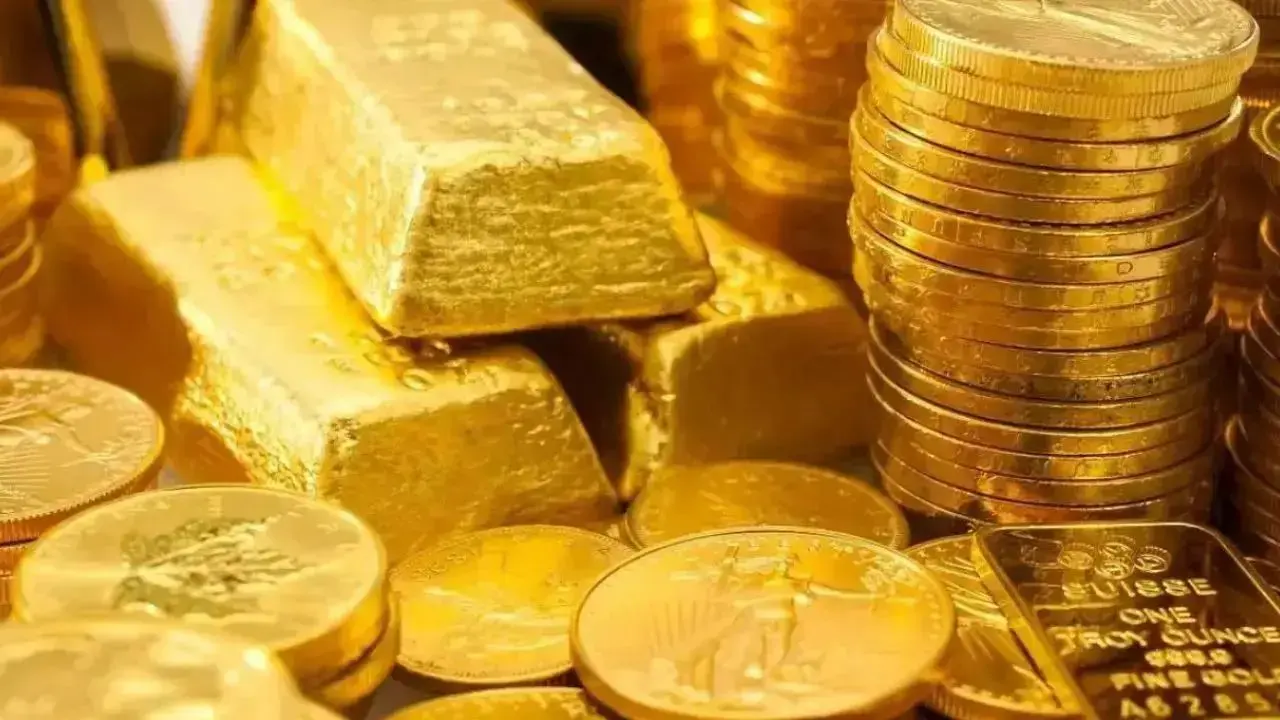
-1769491286051_d.png "Representational Image")